 dolphinshave2stomachs
Related Articles
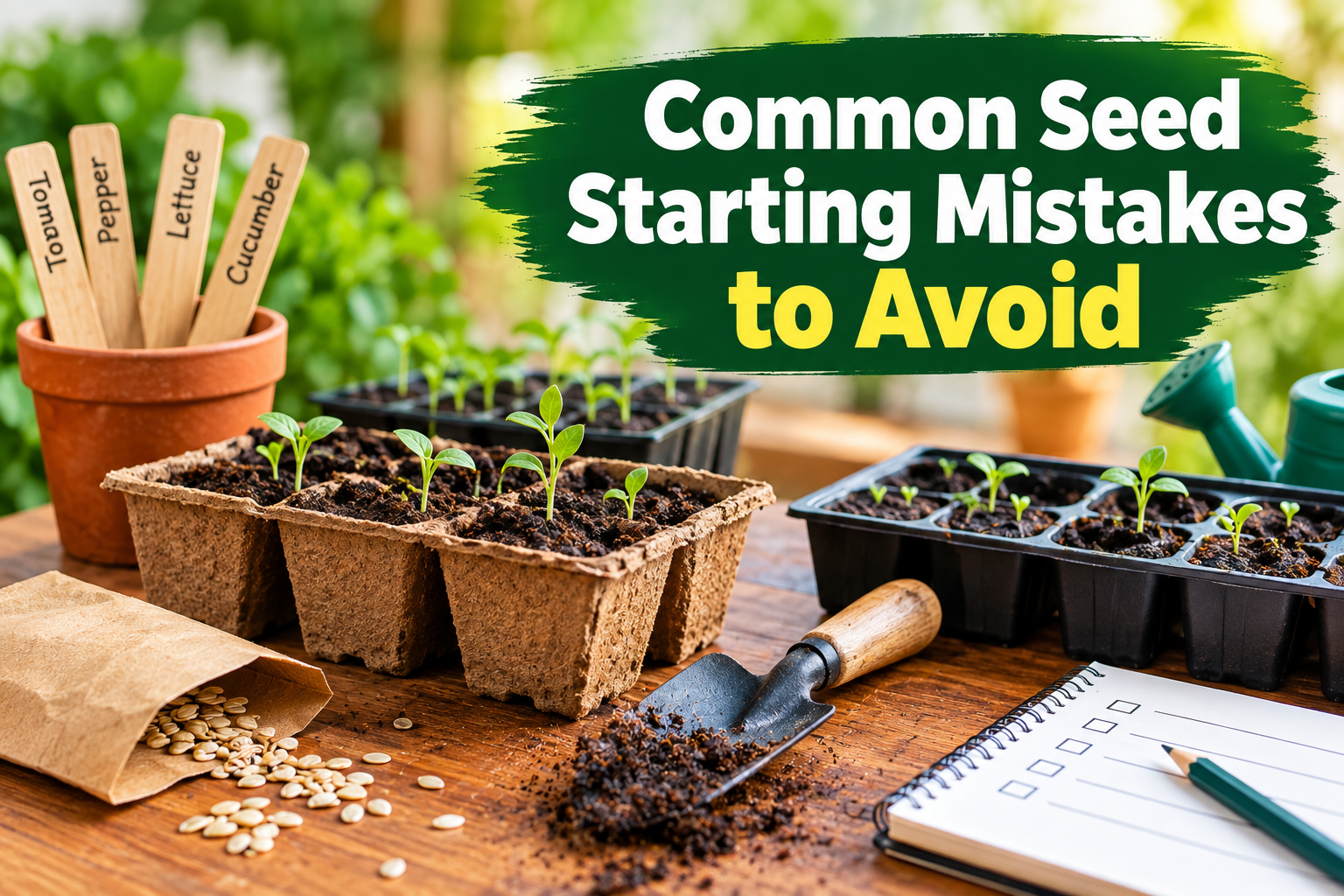
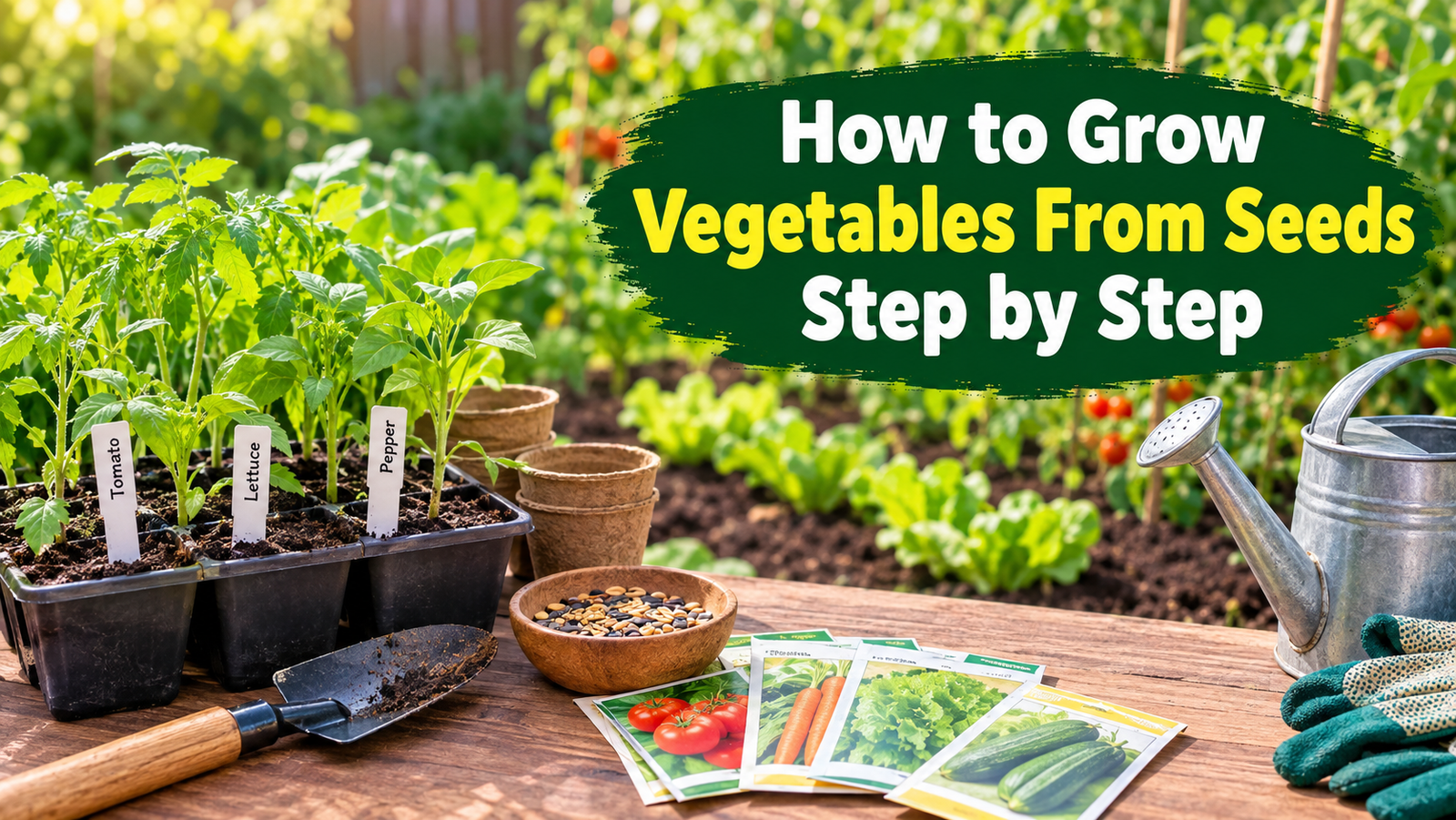
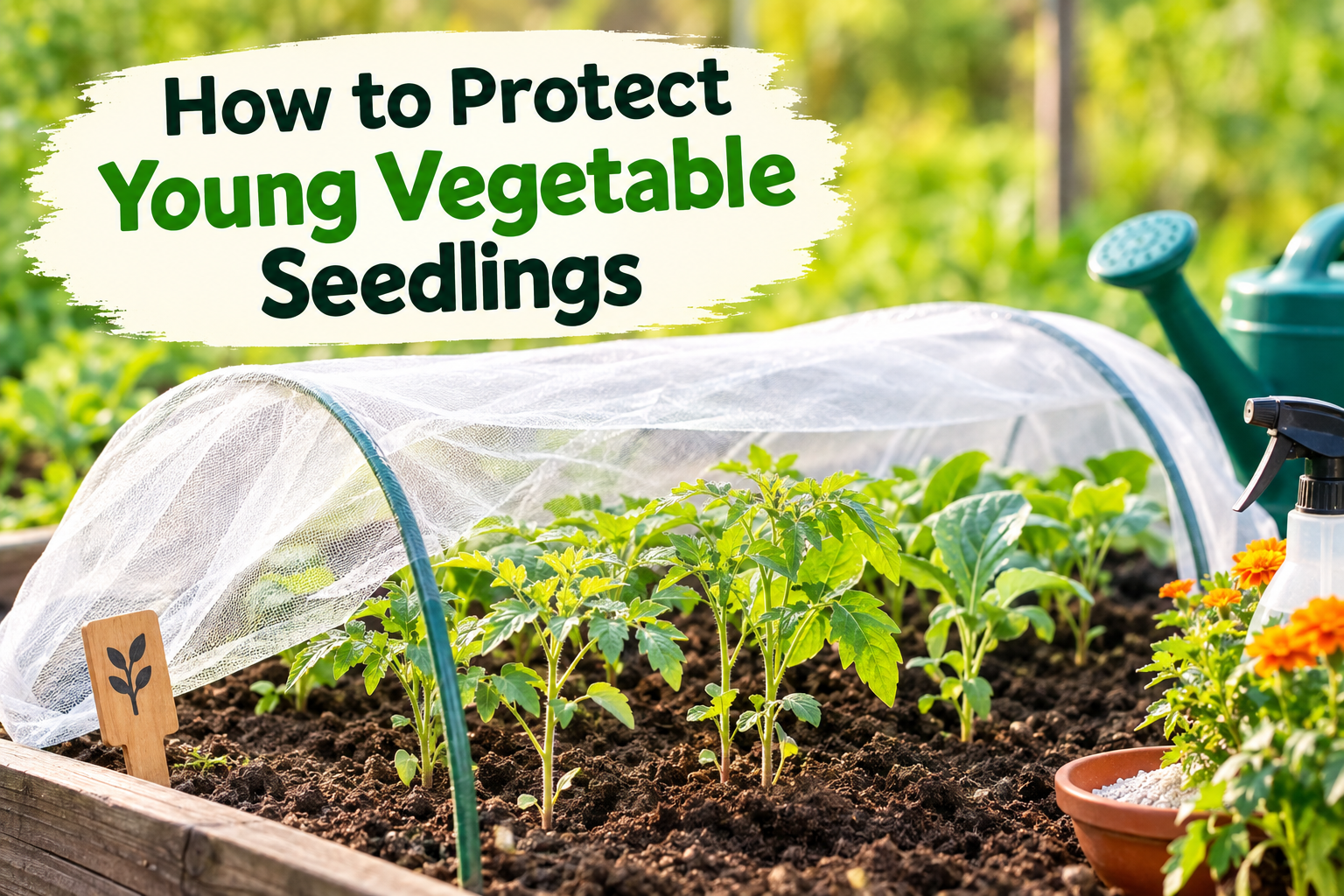
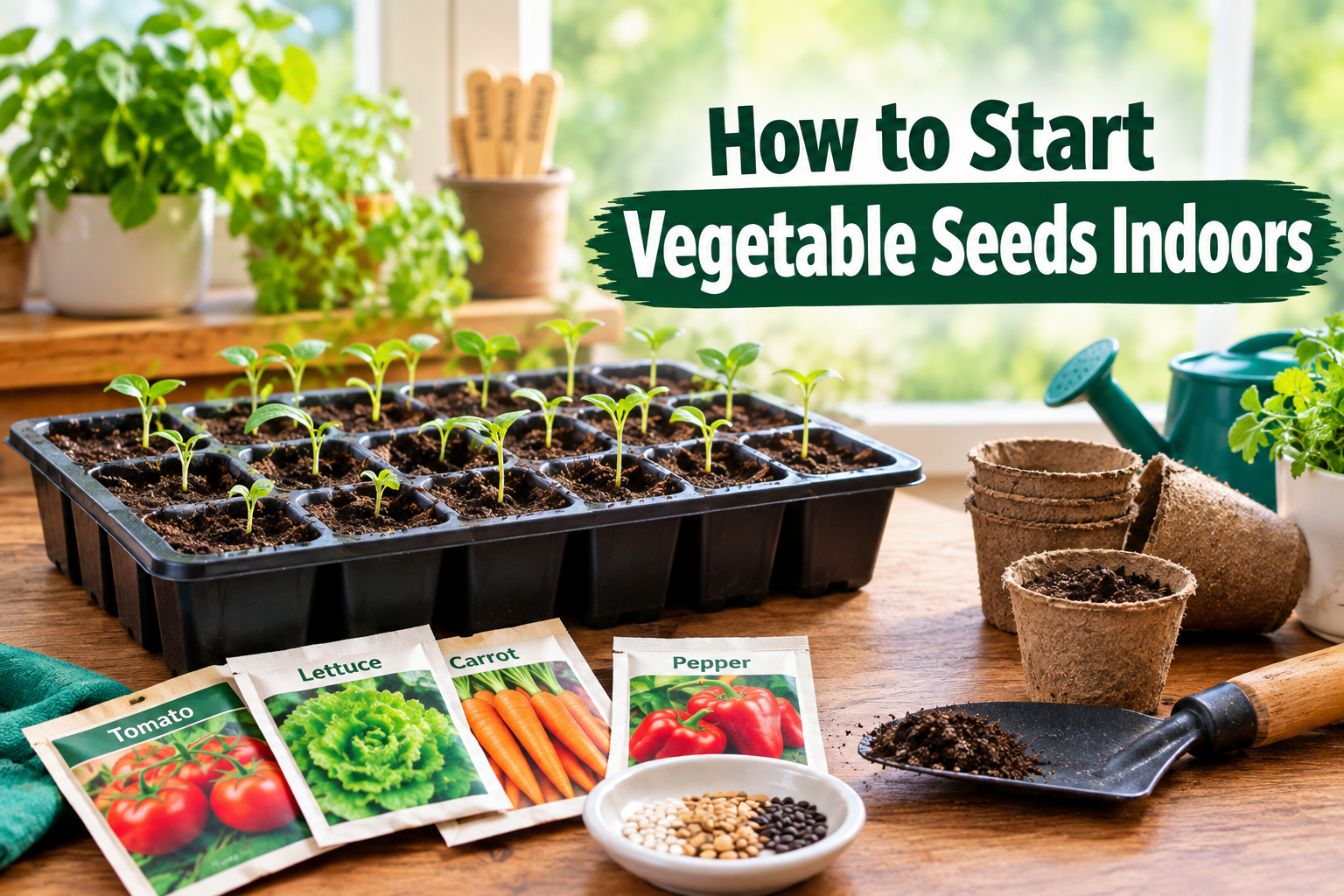
Growing vegetables from seeds is one of the most rewarding parts of gardening. I enjoy starting small seeds indoors or in containers and watching them slowly develop into healthy young plants. However, there comes a point when seedlings need more space, better soil, and outdoor growing conditions. Knowing when to transplant vegetable seedlings is important because moving them too early or too late can cause unnecessary stress.
In my experience, the best time to transplant vegetable seedlings depends on the plant variety, seedling size, weather, soil temperature, and outdoor conditions. A healthy seedling should be strong enough to handle the move before it is placed into the garden.
What Does Transplanting Vegetable Seedlings Mean?
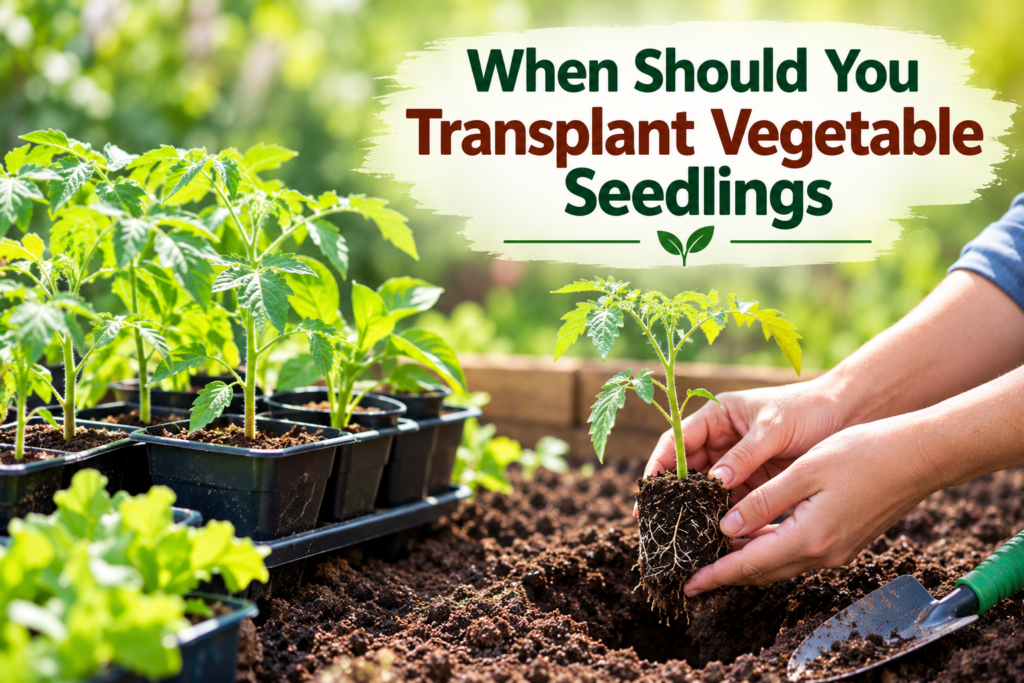
Transplanting means moving a young vegetable plant from one growing location to another. For example, you may start tomato seeds in a small tray and later move the seedlings into larger containers or directly into the garden.
The purpose is to give the growing plant enough room for its roots to develop. Transplanting can also help gardeners make better use of limited garden space and protect young plants during the early stages of growth.
The important thing is to avoid treating every vegetable in exactly the same way. Some plants handle transplanting very well, while others prefer to grow directly from seed in their final location.
Wait Until Seedlings Have Several True Leaves
One of the easiest ways I judge whether a seedling is ready for transplanting is by looking at its leaves.
After germination, seedlings usually develop their first leaves, which are called cotyledons. These are followed by true leaves that look more like the normal leaves of the mature plant.
When a seedling has developed several healthy true leaves and has a strong stem, it is often better prepared for transplanting. The exact number varies by vegetable, so I also consider the plant’s overall appearance rather than relying only on leaf count.
A weak, thin, or very small seedling may benefit from additional growing time before being moved.
Check the Root System
The roots can tell you a lot about whether a vegetable seedling needs more space.
If roots are beginning to fill the container or appear through drainage holes, the seedling may be ready for a larger pot or garden bed. Plants that remain in very small containers for too long can become root bound.
When I remove a seedling from its container, I try to handle the root ball carefully. Healthy roots should generally hold the soil together without being severely tangled.
However, seeing roots does not automatically mean that a seedling should go outside immediately. Outdoor weather and soil conditions are equally important.
Consider the Weather
Weather is one of the most important factors when transplanting vegetable seedlings.
A seedling that has grown comfortably indoors can experience stress when suddenly exposed to strong sunlight, wind, cold nights, or large temperature changes.
Warm season vegetables such as tomatoes, peppers, cucumbers, and eggplants are particularly sensitive to cold conditions. If nighttime temperatures are still too low, I prefer waiting rather than rushing the transplanting process.
Cool season vegetables such as lettuce, cabbage, broccoli, and some leafy greens can generally tolerate cooler conditions better, although they still need suitable growing conditions.
Soil Temperature Matters
Air temperature is not the only thing to consider. Soil temperature also affects how well transplanted seedlings establish.
Warm season vegetables usually grow more actively when the soil has warmed sufficiently. Planting them into cold soil can slow root development and make the plants more vulnerable to stress.
Before transplanting, I consider both the weather forecast and the condition of the soil. If the soil feels cold and the weather remains unfavorable, waiting a little longer can give the seedlings a better chance.
Harden Off Seedlings Before Transplanting
One of the most important steps before moving seedlings outdoors is hardening off.
Seedlings grown indoors are protected from direct sunlight, strong wind, and changing outdoor temperatures. If they are moved directly into full outdoor conditions, they may suffer from transplant shock.
I prefer introducing seedlings to outdoor conditions gradually. At first, they can spend a short period outside in a protected location. Over several days, their outdoor exposure can be increased.
This gradual process helps the plants adjust to sunlight, wind, and changing temperatures.
Choose the Right Day for Transplanting
The day you transplant can make a difference.
I usually prefer a calm, cloudy day or late afternoon rather than the hottest part of a bright sunny day. This gives the young plants some time to adjust before facing intense sunlight.
If the weather is extremely hot, windy, or dry, I would rather wait for more suitable conditions when possible.
The goal is to reduce stress while the roots begin establishing themselves in their new location.
Prepare the Garden Bed First
I always recommend preparing the garden bed before removing seedlings from their containers. Once the plants are out of their pots, you want to get them into the soil fairly quickly.
The soil should be loose, reasonably fertile, and well drained. Remove large weeds and break up heavily compacted areas.
I also like to water the planting area before transplanting if the soil is very dry. Moist soil can provide a more comfortable environment for newly transplanted roots.
Handle Seedlings Carefully
Young vegetable plants can be delicate, especially around the stem and roots.
When removing a seedling from its container, I try to avoid pulling it by the stem. Instead, I support the soil and root area as much as possible.
Keeping the root ball intact can reduce unnecessary disturbance. If several seedlings are growing together, separating them carefully can help prevent severe root damage.
The less unnecessary damage the roots receive, the easier it can be for the plant to settle into its new location.
Plant at the Correct Depth
Planting depth is another important consideration.
Many vegetables should be planted at approximately the same depth they were growing in their container. Tomatoes are a notable exception because they can often tolerate being planted deeper, with part of the stem below the soil.
However, not every vegetable should be treated like a tomato. I always consider the individual crop before deciding how deeply to plant it.
After placing the seedling in the hole, gently firm the surrounding soil without compacting it excessively.
Water After Transplanting
Watering immediately after transplanting helps settle the soil around the roots.
I give newly transplanted seedlings enough water to moisten the surrounding soil without creating standing water. The goal is to provide consistent moisture while the roots establish themselves.
During the first several days, I pay closer attention to soil moisture because young plants can dry out more quickly than established plants.
As the roots develop, the plants generally become more capable of handling normal garden conditions.
Give Plants Enough Space
Proper spacing is easy to overlook when seedlings are small.
A tiny tomato or cabbage plant may appear to need very little room, but mature plants can become much larger. Crowding plants can reduce airflow and create competition for sunlight, water, and nutrients.
Before transplanting, I check the recommended spacing for the particular vegetable variety.
Giving plants enough room from the beginning can make garden maintenance easier later.
Common Signs of Transplant Shock
It is normal for some newly transplanted seedlings to look slightly stressed.
Leaves may temporarily droop, especially after moving from a protected environment into outdoor conditions. Some plants may take several days before they begin showing new growth.
I do not immediately assume something is wrong if a seedling looks slightly tired after transplanting.
However, severe wilting, damaged stems, extremely dry soil, or continuing decline can indicate that the plant needs attention. Checking moisture, sunlight, wind exposure, and root condition can help identify the problem.
Vegetables That Transplant Well
Some vegetables generally respond well to transplanting. Tomatoes, peppers, eggplants, broccoli, cabbage, cauliflower, lettuce, and many herbs can be started in containers and later moved into the garden.
These crops can benefit from being started under controlled conditions before being planted outside.
This approach is especially useful when gardeners want to get an early start on the growing season.
Vegetables Better Direct Sown
Not every vegetable enjoys having its roots disturbed.
Root crops such as carrots, radishes, and turnips are commonly planted directly into the garden because their developing roots can be sensitive to disturbance.
Peas and beans are also often easy to direct sow when outdoor conditions are suitable.
For these crops, I usually find it simpler to plant the seeds where I want the plants to grow rather than starting them in containers.
What Happens If You Transplant Too Early?
Transplanting too early can expose young plants to conditions they are not ready to handle.
Cold temperatures, strong sunlight, wind, and poor soil conditions can slow growth. A small seedling may also have a limited root system, making it harder to recover from environmental stress.
This is why I prefer looking at the complete picture rather than transplanting simply because the calendar says it is time.
What Happens If You Transplant Too Late?
Waiting too long can also create problems.
If seedlings remain in small containers for an extended period, their roots may become crowded. Plants can become tall and weak if they do not receive enough light or space.
If you notice roots circling heavily around the container, the plant may need to be moved into a larger container or into the garden when conditions allow.
Final Thoughts
Knowing when to transplant vegetable seedlings is mostly about observing the plants and understanding their growing conditions. I look at seedling size, true leaves, root development, weather, soil temperature, and the needs of the specific vegetable before making the decision.
I also believe there is no benefit in rushing the process. A strong seedling planted under suitable conditions has a much better opportunity to establish itself successfully.
Give young plants time to develop, harden them off gradually, prepare the garden bed properly, and handle their roots with care. With these simple steps, transplanting vegetable seedlings becomes much easier and less stressful.
Whether you are growing tomatoes, peppers, cabbage, lettuce, or other vegetables, paying attention to the right transplanting time can give your plants a strong start and help you enjoy a healthier and more productive vegetable garden.