 dolphinshave2stomachs
Related Articles
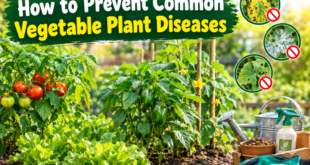
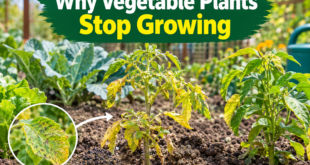
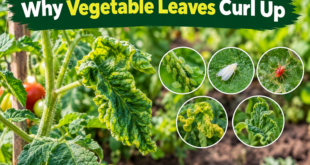
Growing vegetables at home can be a rewarding experience, but dealing with garden pests can sometimes make it frustrating. I have learned that protecting vegetable plants does not always mean reaching for strong chemical pesticides. In many situations, simple natural methods can help prevent pests and keep plants healthier throughout the growing season.
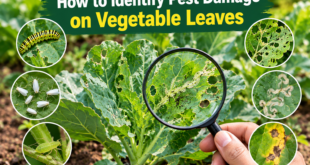
Pests such as aphids, caterpillars, whiteflies, spider mites, beetles, and other insects can quickly damage vegetable leaves and young stems. Some pests feed directly on plant tissue, while others suck sap from leaves and weaken the entire plant. The good news is that there are several natural ways to protect vegetable plants from pests without making the garden overly dependent on harsh treatments.
In my experience, the most effective approach is to combine prevention, regular inspection, healthy soil, beneficial insects, and simple natural pest control methods. Here are some of the methods I find useful for maintaining a healthier vegetable garden.
Inspect Vegetable Plants Regularly
One of the simplest natural ways to protect vegetable plants from pests is regular inspection. I believe prevention becomes much easier when you notice a pest problem at an early stage.
I usually look carefully at both the top and underside of leaves. Many common pests hide underneath leaves where they are difficult to see. I also check young stems, flower buds, and new growth because these areas can attract insects.
Look for holes, curled leaves, yellow spots, sticky residue, webbing, tiny insects, or clusters of eggs. These signs can tell you that pests are beginning to appear.
Checking plants several times each week can help you discover a small infestation before it becomes a major problem.
Keep the Garden Clean
Garden cleanliness plays an important role in natural pest control. Dead leaves, fallen vegetables, weeds, and damaged plant material can create hiding places for insects and other garden pests.
I regularly remove unhealthy leaves and fallen plant material from around my vegetables. This also makes it easier to inspect the plants and notice changes in their appearance.
Keeping the garden clean does not mean removing every natural element. Some insects and small organisms are beneficial. The goal is simply to avoid allowing damaged plant material and weeds to become unnecessary pest shelters.
Encourage Beneficial Insects
Not every insect in a vegetable garden is harmful. Some insects actually help protect plants by feeding on common garden pests.
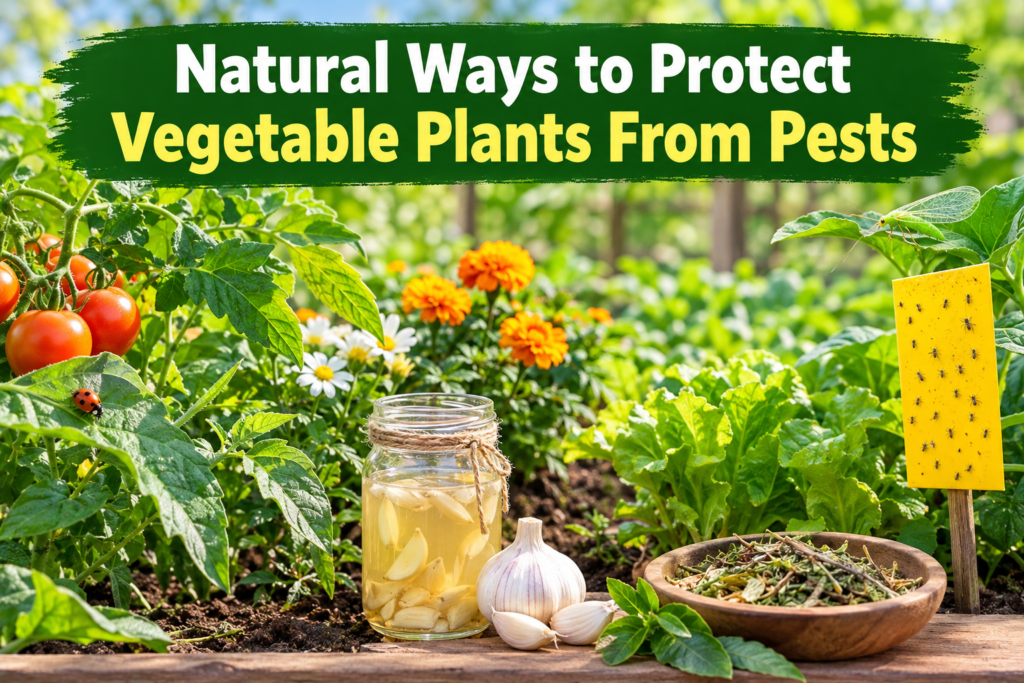
Ladybugs, lacewings, praying mantises, and some predatory insects can help reduce pest populations naturally. I try to make my garden welcoming to these helpful insects instead of treating every insect as a problem.
Planting flowers near vegetables can provide food and shelter for beneficial insects. A garden with different types of plants can also create a healthier environment for natural pest control.
Before removing an insect, I try to identify it first. This simple habit can prevent accidentally eliminating insects that are actually helping the garden.
Use Companion Planting
Companion planting is another natural method that many vegetable gardeners use to manage pests. The basic idea is to grow certain plants near vegetables to create a more diverse garden environment.
Aromatic herbs and flowers are often included around vegetable crops. Plants such as basil, marigolds, mint, rosemary, and other strongly scented plants are commonly used by gardeners as companions.
I do not depend on companion planting as a complete solution to every pest problem. Instead, I use it as one part of a broader garden management strategy.
A mixed garden can also look more attractive and provide flowers that support beneficial insects.
Spray Plants With Water
A simple stream of water can help remove many soft bodied pests from vegetable plants. Aphids, spider mites, and whiteflies can sometimes be reduced by carefully spraying affected leaves.
When I use water for pest control, I pay special attention to the underside of leaves. That is where many pests spend most of their time.
The water pressure should be strong enough to disturb the insects but not so strong that it damages leaves or breaks stems.
This method may need to be repeated because some pests can return to the plant. However, it is inexpensive and does not leave chemical residues on the plant.
Use Insecticidal Soap
Insecticidal soap can be a useful option when natural methods such as water are not enough. It is commonly used against soft bodied pests including aphids, whiteflies, and some mites.
I always recommend reading the product label before applying any treatment to edible vegetables. Different products have different instructions, and some plants may be more sensitive than others.
Good coverage is important because insecticidal soap generally needs to contact the pest. I focus on the underside of leaves and other areas where insects are hiding.
It is also important not to assume that a natural product is automatically harmless to every insect. Careful application can help protect beneficial insects as well.
Try Neem Based Products Carefully
Neem based garden products are another option used by many gardeners who prefer natural pest management. They can be useful against several common garden pests when applied correctly.
I see neem as one tool rather than a complete answer to every pest problem. Regular monitoring is still necessary.
Before using a neem product on vegetables, I check the label for crop safety, application instructions, and harvest information. I also avoid unnecessary spraying when beneficial insects are active around flowers.
Following the product instructions is important even when using products that are marketed as natural.
Use Garlic and Herbal Garden Sprays
Garlic and strongly scented herbs are sometimes used in homemade garden sprays to discourage certain pests. These sprays can be easy to prepare, although their effectiveness can vary depending on the pest and garden conditions.
A simple approach is to prepare a mild garlic infusion, strain it carefully, and use it as a garden spray. I would always test any homemade mixture on a small part of a plant first.
Different vegetable varieties can react differently to homemade sprays. If the leaves show burning, discoloration, or other damage, I would stop using the mixture.
Natural homemade sprays should be viewed as supplementary methods rather than guaranteed pest control solutions.
Use Physical Barriers
Physical barriers are one of my favorite ways to prevent pests before they reach vegetable plants.
Fine garden netting or insect protection fabric can help keep certain flying insects away from crops. Row covers can also protect young plants from some pests during vulnerable stages.
The barrier needs to be installed properly so insects cannot easily enter from the sides or gaps.
Physical protection can be particularly useful for young seedlings because small plants can suffer significant damage from even a modest pest population.
Use Yellow Sticky Traps
Yellow sticky traps can help monitor flying pests such as whiteflies and fungus gnats. They can also give you an early warning that pest numbers are increasing.
I like using sticky traps mainly as a monitoring tool. They can show whether flying insects are present and whether their numbers appear to be increasing.
Place traps near affected plants and check them regularly. However, remember that sticky traps may also capture some beneficial insects, so they should not be treated as the only pest control method.
Maintain Healthy Soil
Healthy soil is one of the foundations of a healthy vegetable garden. Plants growing in good soil with appropriate moisture and nutrients are better prepared to handle normal environmental stress.
I focus on improving soil with suitable organic matter and maintaining good drainage. I also avoid applying excessive fertilizer simply to make plants grow faster.
Overfertilizing can create very soft, rapid growth that may attract some sap feeding insects. Balanced nutrition is more useful than trying to force rapid growth.
Healthy roots support healthy foliage, and healthy foliage gives plants a better chance of recovering from minor pest damage.
Water Plants Properly
Watering also has an important role in plant health. Both underwatering and overwatering can stress vegetable plants.
I prefer watering according to the needs of the specific vegetable, soil type, weather, and growing conditions. Instead of watering only because the surface looks dry, I check the soil moisture around the root zone.
Watering the soil rather than constantly wetting the leaves can also help reduce certain plant disease problems.
A consistent watering routine helps plants remain stronger during periods of heat and environmental stress.
Remove Pests by Hand
Hand removal is surprisingly effective when pest numbers are low. If I find caterpillars, beetles, or clusters of insects on a few plants, I can often remove them manually.
For larger insects, simply picking them from the plant and placing them away from the vegetable patch can reduce damage.
I also remove visible egg clusters when I find them. Removing pests before they reproduce can make a noticeable difference over time.
This method requires regular attention, but it costs nothing and can be very useful in a small home garden.
Rotate Vegetable Crops
Growing the same vegetable in the same location year after year can allow certain pests and diseases to become established in the soil.
Crop rotation can help break this cycle. Instead of planting the same type of vegetable in exactly the same area every season, I try to change where different vegetable families are grown.
Crop rotation works best as part of a larger garden management plan. It can also help improve the overall organization and diversity of the garden.
Do Not Try to Eliminate Every Pest
One lesson I have learned from gardening is that seeing a few insects does not always mean there is a serious problem.
A healthy garden naturally contains insects. Some are pests, while others are beneficial or simply harmless.
My goal is not to create a garden with absolutely no insects. Instead, I focus on preventing pest populations from reaching levels that cause serious plant damage.
This balanced approach helps protect beneficial insects and reduces unnecessary treatments.
Final Thoughts
Natural ways to protect vegetable plants from pests are often simple, practical, and affordable. Regular inspection, clean garden beds, healthy soil, proper watering, physical barriers, beneficial insects, companion planting, and careful use of natural pest control products can all contribute to a healthier vegetable garden.
In my opinion, the most important step is to start early. A few aphids or whiteflies are much easier to manage than a large infestation covering an entire plant.
I also believe that natural pest control works best when several methods are combined. Instead of depending on one spray or one technique, I prefer to create growing conditions where healthy plants, beneficial insects, and regular garden care work together.
With patience and consistent observation, it is possible to protect vegetable plants from many common pests while keeping the garden productive and enjoyable. Natural gardening is not about achieving perfection. It is about creating a healthy balance where vegetables have the best possible conditions to grow.