 dolphinshave2stomachs
Related Articles
When I grow vegetables, one of the first things I pay attention to is the condition of the leaves. Healthy leaves usually tell me that the plant is growing well, while holes, curled edges, yellow patches, sticky surfaces, or unusual spots can be signs that something is wrong. In many cases, vegetable leaf damage is caused by insects and other garden pests.
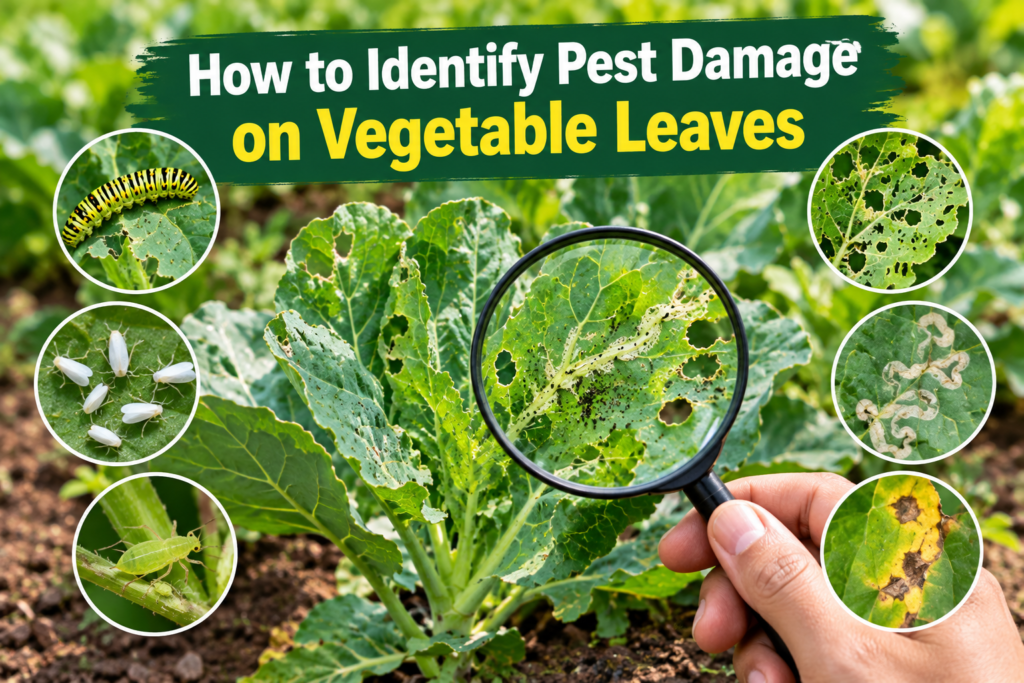
Learning how to identify pest damage on vegetable leaves is important because different pests leave different signs behind. Once you understand these signs, it becomes much easier to find the cause and choose the right way to protect your plants.
I have learned that it is better to identify a pest problem early instead of waiting until the plant becomes badly damaged. A few minutes of checking the leaves regularly can save a lot of trouble later.
Why Vegetable Leaves Are Important
Vegetable leaves are more than just green parts of a plant. They are responsible for producing energy through photosynthesis, which helps the plant grow and produce vegetables.
When pests continuously feed on leaves, the plant may lose some of its ability to produce energy. Heavy pest damage can lead to slow growth, weak plants, poor vegetable production, and sometimes plant death.
This is why I never ignore unusual damage on vegetable leaves. Even a small hole or a few curled leaves can be worth investigating.
Look for Holes in the Leaves
One of the easiest signs of pest damage is holes in vegetable leaves. Caterpillars, beetles, grasshoppers, and some other insects can chew through leaves.
The size and shape of the holes can provide clues. Large irregular holes may indicate caterpillars or larger chewing insects. Numerous small holes can sometimes be associated with smaller beetles.
When I see holes, I inspect both sides of the leaves carefully. I also check the stems and the soil around the plant because some pests hide during the daytime.
If you find the pest responsible early, removing it can prevent additional damage.
Check for Chewed Leaf Edges
Not all insects create holes in the middle of leaves. Some pests feed along the edges, leaving leaves with a rough or uneven appearance.
You may notice that the outer edges look as though something has been taking small bites. Larger insects can remove significant sections of the leaf.
I usually inspect the entire plant when I notice this type of damage. Looking at only the damaged leaf may not reveal the pest because it may have moved to another part of the plant.
Watch for Skeletonized Leaves
Sometimes a pest eats the soft tissue between the veins while leaving the veins behind. This creates what gardeners often call a skeletonized leaf.
The leaf can look thin, delicate, and almost transparent in damaged areas. Certain caterpillars and beetles can cause this type of feeding damage.
If I see a vegetable leaf that looks like only its veins are left, I immediately check the plant for insects, eggs, and fresh droppings.
Skeletonized leaves can indicate that feeding has been happening for some time, so it is important to inspect nearby plants as well.
Look Under the Leaves for Aphids
Aphids are small insects that can be difficult to notice at first. They often gather on the underside of leaves, around new growth, and along tender stems.
Aphid damage can cause leaves to curl, become distorted, turn yellow, or develop weak growth. You may also notice a sticky substance on the leaves.
This sticky material is called honeydew and is produced by aphids and some other sap feeding insects.
When checking for aphids, I always turn the leaves over. Looking only at the top surface can cause you to miss an infestation completely.
Identify Whitefly Damage
Whiteflies are tiny flying insects that can become a problem on many vegetable plants. When the plant is disturbed, you may see small white insects flying away from the leaves.
They feed on plant sap and can cause yellowing, weakening, and poor growth.
The easiest way I have found to check for whiteflies is to gently shake the plant and watch what flies out. Then I inspect the underside of the leaves where they often gather.
Sticky leaves can also be a sign of their feeding activity.
Watch for Leaf Miner Trails
Leaf miners create a very different type of damage. Instead of eating directly from the surface, their larvae feed inside the leaf tissue.
This can produce winding white, pale, or brown trails across the leaves. The trails may look like thin lines or irregular tunnels.
Leaf miner damage is relatively easy to recognize once you know what you are looking for.
If I notice these winding patterns, I inspect nearby leaves for additional trails. Removing badly affected leaves can sometimes help reduce the visible damage, although the best approach depends on the specific pest and crop.
Look for Sticky Leaves
Sticky leaves can be an important clue when identifying pest damage on vegetable plants.
Aphids, whiteflies, and some other sap feeding insects can produce honeydew as they feed. This substance can make the surface of leaves feel sticky.
Over time, black sooty mold may develop on the sticky surface. The mold itself is not usually the original problem. Instead, it can be a sign that sap feeding insects are present.
Whenever I find sticky leaves, I inspect the plant carefully for small insects.
Notice Curling or Distorted Leaves
Leaf curling does not always mean insects are responsible, but pests should be one of the things you check.
Aphids and other sap feeding insects can interfere with normal plant growth, especially around young leaves. New leaves may appear curled, twisted, puckered, or unusually small.
Environmental problems such as heat, watering issues, nutrient deficiencies, and plant diseases can also cause curling.
This is why I never identify a pest based on one symptom alone. I look at the entire plant and search for insects or other evidence before deciding what is happening.
Check for Yellow Speckles
Tiny yellow or pale speckles across leaves can sometimes indicate feeding by very small pests such as spider mites.
As feeding continues, leaves may become increasingly yellow, dry, or unhealthy. In some cases, fine webbing may be visible around leaves and stems.
Because these pests are extremely small, a magnifying glass can be helpful.
If I notice unusual speckling, I inspect the underside of the leaves carefully and look for movement. I also check several leaves because pest populations may not be evenly distributed across the plant.
Look for Caterpillar Droppings
Caterpillars can be surprisingly difficult to see because they often hide among leaves. However, their feeding damage and droppings can provide useful clues.
Caterpillar damage usually appears as irregular holes or missing sections of leaves. You may also notice small dark or green pellets on the leaves or soil beneath the plant.
When I see fresh damage together with droppings, I carefully inspect the plant for caterpillars and eggs.
Some caterpillars blend into the leaves, so slow and careful inspection is much more useful than simply looking from a distance.
Check for Insects Around New Growth
Young leaves and new shoots are attractive to many pests because they are soft and easy to feed on.
When I inspect a vegetable plant, I always pay special attention to the newest growth. Aphids, thrips, and other small insects can gather around these areas.
If new leaves are distorted while older leaves look normal, pest activity around new growth is one possibility worth checking.
Early detection is especially important for young plants because they have less foliage to lose.
Do Not Confuse Pest Damage With Plant Disease
One of the most common mistakes gardeners make is assuming that every spot or damaged leaf is caused by an insect.
Plant diseases can also create spots, discoloration, holes, wilting, and leaf loss. Nutrient deficiencies and environmental stress can create similar symptoms.
For this reason, I look for physical evidence of pests before deciding that insects are responsible.
If I find insects, eggs, webbing, droppings, or characteristic feeding patterns, the evidence becomes much stronger. If there are no signs of insects, I consider other possible causes.
Inspect Plants Regularly
Regular inspection is probably the most useful habit for preventing serious pest damage.
I recommend checking vegetable plants at least several times a week during active growing periods. Walk around the garden and look at the top and underside of leaves.
Pay attention to new growth, damaged areas, stems, and the soil around the plants.
The earlier you discover a pest problem, the easier it is to manage. A small population can often be handled with simple methods such as hand removal, washing pests from leaves, or using physical barriers.
Keep a Simple Pest Inspection Routine
I find that having a routine makes pest identification much easier. Start by looking at the overall appearance of the plant. Then inspect the leaves from top to bottom.
Next, look for holes, trails, spots, curling, discoloration, sticky surfaces, and webbing. After that, check underneath the leaves for insects and eggs.
Finally, inspect nearby plants. Some pests move quickly from one vegetable plant to another.
Taking a few notes or photographs can also help you compare changes over time.
Protect Vegetable Plants After Identification
Once you identify the likely pest, choose a control method that matches the problem.
For small infestations, handpicking may be enough. Garden netting can provide physical protection from some insects. Encouraging beneficial insects and maintaining a healthy garden environment can also support natural pest management.
If you decide to use a pest control product, read the label carefully and make sure it is appropriate for the vegetable crop and the pest you are dealing with.
I prefer starting with simple and less disruptive methods whenever they are practical.
Final Thoughts
Knowing how to identify pest damage on vegetable leaves can make vegetable gardening much easier. Instead of guessing when something looks wrong, you can learn to recognize the clues left behind by different pests.
Holes, chewed edges, skeletonized leaves, sticky surfaces, curling, yellow speckles, winding trails, webbing, and insect droppings can all provide useful information.
The most important habit is regular inspection. I believe a gardener who spends a little time observing plants can catch many pest problems before they become serious.
Healthy vegetable plants still experience insects from time to time, and that is a normal part of gardening. The goal is not necessarily to remove every insect from the garden. The goal is to identify harmful pests, understand the damage they cause, and take reasonable steps to protect your vegetables.
With careful observation and consistent garden care, you can recognize pest damage earlier, protect your vegetable leaves, and give your plants a much better chance to grow strong and produce a healthy harvest.