 dolphinshave2stomachs
Related Articles
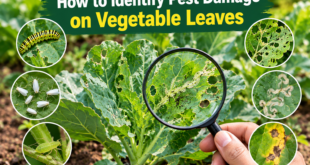
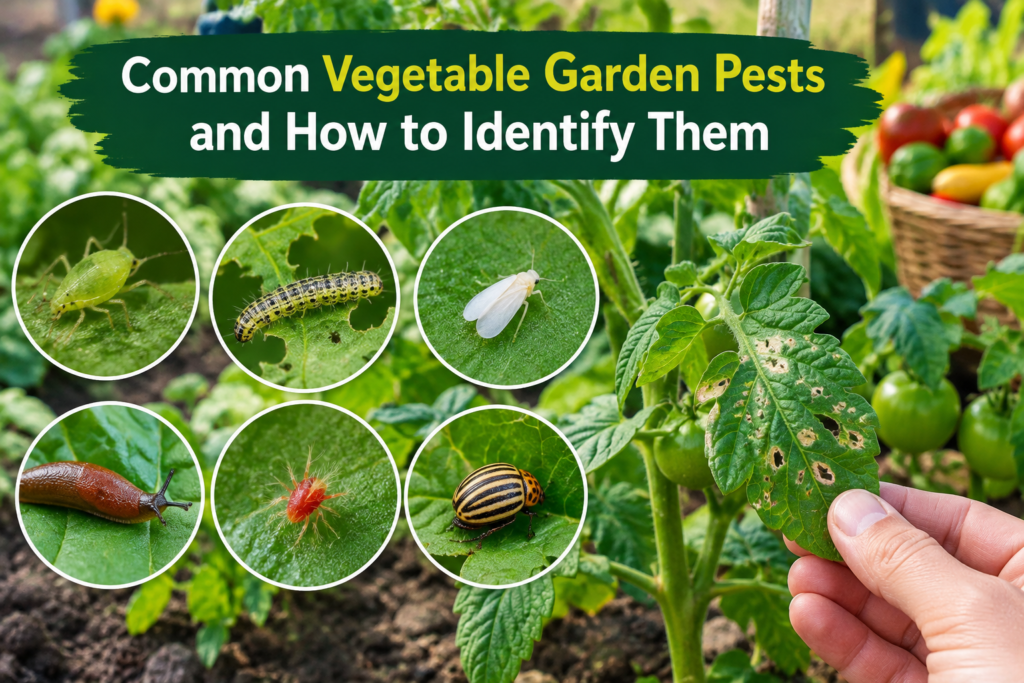
Growing vegetables at home can be a very rewarding experience, but one thing I have learned is that a healthy vegetable garden can attract unwanted visitors too. Vegetable garden pests can appear suddenly and cause damage before we even notice them. Sometimes we see holes in leaves, curled foliage, sticky spots, or damaged vegetables and do not immediately know what caused the problem.
In my experience, identifying the pest correctly is one of the most important steps in protecting a vegetable garden. Once you know what you are dealing with, it becomes much easier to choose the right way to manage it.
In this article, I will explain some of the most common vegetable garden pests, how to identify them, what kind of damage they cause, and some simple ways to protect your plants.
Why Identifying Vegetable Garden Pests Matters
Not every damaged leaf means the same pest is responsible. Different insects leave different signs on plants. Some insects chew holes in leaves, while others suck plant juices. Some pests attack roots, and others damage fruits and young shoots.
I always recommend looking closely at the plant before taking action. Check both sides of the leaves, the stems, the soil around the plant, and even the underside of leaves. Many garden pests are very small and can easily hide during the day.
Correct identification also helps prevent unnecessary pesticide use. If we know the actual problem, we can start with simple and targeted methods instead of treating the entire garden without knowing what is causing the damage.
1. Aphids
Aphids are among the most common vegetable garden pests. They are tiny, soft bodied insects that can be green, black, yellow, brown, or gray depending on the species.
I usually look for aphids around young leaves, stems, flower buds, and new plant growth. They often gather in groups rather than appearing as single insects.
Aphids suck sap from plants, which can cause leaves to curl, become distorted, or turn yellow. They can also produce a sticky substance called honeydew. If you notice sticky leaves or a black coating called sooty mold, aphids may be nearby.
A simple way to check for aphids is to inspect the underside of young leaves. A strong stream of water can sometimes remove small populations. Encouraging beneficial insects such as lady beetles and lacewings can also help naturally control aphids.
2. Caterpillars
Caterpillars can cause serious damage to vegetable plants because they eat plant tissue directly. I often notice their damage before seeing the caterpillar itself.
Large irregular holes in leaves are a common sign. Some caterpillars may also chew around fruits, stems, or young shoots. Cabbage, broccoli, cauliflower, tomato, pepper, and leafy vegetables can all be affected.
When looking for caterpillars, I check the underside of leaves and areas where the plant has dense growth. Small dark droppings on leaves can also indicate that caterpillars are feeding nearby.
Hand picking is a simple option when only a few caterpillars are present. For a larger problem, gardeners can consider suitable biological or organic control methods according to the crop and pest involved.
3. Whiteflies
Whiteflies are tiny flying insects that often become noticeable when a plant is disturbed. When I touch an affected plant, I may see a small cloud of white insects flying away.
They commonly gather on the underside of leaves and suck sap from plants. Heavy infestations can cause yellowing, weak growth, leaf drop, and reduced plant vigor.
Whiteflies can affect tomatoes, peppers, beans, cucumbers, and many other garden plants.
Regularly checking the underside of leaves is one of the best ways to identify them early. Yellow sticky traps can help monitor adult whiteflies, while a gentle spray of water can help remove some insects from leaves.
4. Spider Mites
Spider mites are extremely small, so they can be difficult to notice at first. Instead of looking for the insect itself, I usually look for the damage.
Leaves affected by spider mites may develop tiny pale spots and eventually turn yellow or bronze. In heavier infestations, fine webbing can appear between leaves and stems.
Spider mites often become a problem during hot and dry conditions. Tomatoes, beans, cucumbers, and many other vegetables can be affected.
Regularly checking leaves and maintaining suitable watering conditions can help reduce stress on plants. A strong but gentle spray of water can also remove many mites from the plant surface.
5. Slugs and Snails
Slugs and snails are especially common in damp gardens. Unlike many insects, they usually leave a visible trail of slime behind them.
I look for irregular holes in leaves, especially close to the soil. Young seedlings are particularly vulnerable because slugs and snails can damage them very quickly.
These pests are often more active at night or during cool, wet weather. If you suspect them, checking the garden after sunset can make identification much easier.
Keeping the garden area clean and removing hiding places such as boards, piles of leaves, and unnecessary debris can help. Hand picking at night is also a practical option for small gardens.
6. Flea Beetles
Flea beetles are small insects that can jump quickly when disturbed. Their feeding creates many tiny holes in leaves, making the foliage look as though it has been peppered with small holes.
Young plants are particularly sensitive to flea beetle damage. Vegetables such as radishes, cabbage, eggplant, and other related crops may be affected.
When inspecting plants, I look closely at the leaves for tiny holes and then gently disturb the foliage to see whether small jumping beetles are present.
Protecting young plants with suitable garden covers can reduce access to these pests. Keeping weeds under control can also remove some places where flea beetles may survive.
7. Squash Bugs
Squash bugs are common pests of squash, pumpkins, and related plants. Adults are generally dark colored insects that can be found around stems, leaves, and plant bases.
The damage may first appear as yellow or brown patches on leaves. As feeding continues, affected leaves may wilt and eventually die.
One useful identification method is to inspect the underside of leaves for clusters of eggs. Removing egg clusters and individual insects when practical can help reduce the population.
Keeping the garden clean after the growing season can also reduce places where adult squash bugs may shelter.
8. Cucumber Beetles
Cucumber beetles are another important vegetable garden pest. Depending on the species, they may have yellow and black stripes or spots.
They commonly feed on cucumber, squash, melon, pumpkin, and related crops. The adults chew holes in leaves and flowers, while their activity can also damage young plants.
If you notice small beetles feeding on cucumber leaves or flowers, inspect the plant carefully rather than assuming the damage is from caterpillars.
Protecting young plants and removing weeds around the garden can help reduce pest pressure.
9. Tomato Hornworms
Tomato hornworms are large caterpillars that can remove an impressive amount of foliage in a short period. They commonly attack tomatoes but may also feed on related plants.
Their green color makes them surprisingly difficult to see among tomato leaves. I usually look for missing leaves, damaged stems, and dark droppings on the soil or foliage.
Because these caterpillars are large, hand picking can be very effective when only a few are present. Checking tomato plants regularly makes it much easier to catch them before they cause extensive damage.
10. Leaf Miners
Leaf miners are insects whose larvae feed between the layers of leaves. Instead of creating large holes, they often leave winding lines or pale tunnels inside the leaves.
These trails are one of the easiest ways to recognize leaf miner damage. Spinach, beans, tomatoes, and several other vegetables can experience leaf miner problems.
Healthy plants can often tolerate some leaf miner damage, but heavily affected leaves may need closer attention. Removing severely damaged leaves can help reduce the number of larvae developing on the plant.
How I Check My Vegetable Plants for Pests
One habit that I find extremely useful is inspecting the garden regularly instead of waiting until plants look seriously damaged.
I start by checking new growth because many pests prefer young leaves. Then I look underneath the leaves, along the stems, around flowers, and near the soil surface.
I also pay attention to unusual changes. Curling leaves may suggest sap sucking insects. Chewed holes may indicate caterpillars or beetles. Sticky leaves can point toward aphids or whiteflies. Fine webbing can suggest spider mites, while slime trails often indicate slugs or snails.
Taking a few minutes to inspect plants several times a week can make a major difference.
Natural Ways to Reduce Vegetable Garden Pests
I prefer starting with simple garden practices before considering stronger treatments. Healthy plants are generally better able to tolerate minor pest damage.
Keeping weeds under control is important because weeds can provide shelter and food for pests. Removing heavily damaged plant material can also reduce pest populations.
Encouraging beneficial insects is another useful approach. Lady beetles, lacewings, predatory insects, and other helpful garden organisms can naturally feed on certain pests.
Physical barriers such as insect netting or row covers can also protect young plants. However, these covers should be used properly so that plants still receive enough sunlight, air, and water.
If a pest problem becomes severe, it is important to identify the pest and select a treatment that is appropriate for the specific vegetable crop. Always follow the product label carefully when using any garden treatment.
Final Thoughts
Common vegetable garden pests can be frustrating, but I believe they are much easier to manage when we learn to recognize their signs. A few holes in a leaf do not always mean the entire plant is in danger. The important thing is to identify the pest early and understand how much damage it is actually causing.
Aphids, caterpillars, whiteflies, spider mites, slugs, flea beetles, squash bugs, cucumber beetles, tomato hornworms, and leaf miners are some of the pests gardeners may encounter.
My biggest advice is to make plant inspection part of your regular gardening routine. Look closely at the leaves, stems, flowers, and soil. When you notice a problem early, you have more options for managing it.
A vegetable garden does not need to be completely free of insects to be healthy. The goal is to maintain a balanced garden where plants can grow strongly and pest damage stays at a manageable level. With regular observation and good garden habits, identifying and managing vegetable garden pests becomes much easier.