 dolphinshave2stomachs
Related Articles
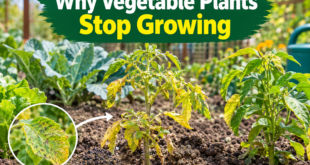
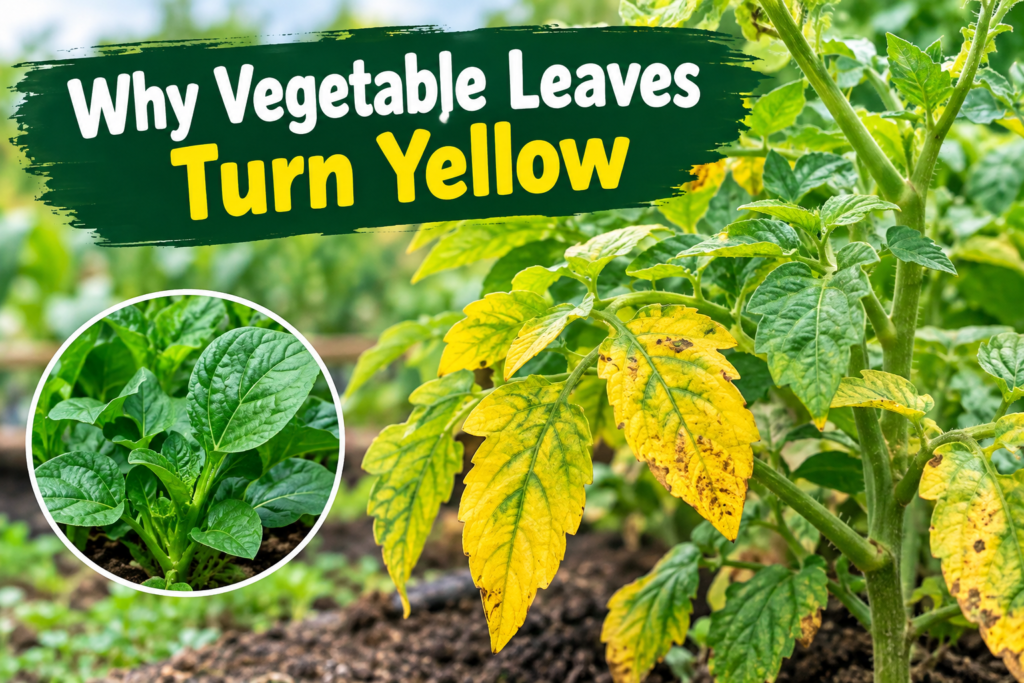
Seeing vegetable leaves turn yellow can be worrying, especially when the plants were looking healthy just a few days earlier. I have noticed that yellow leaves are one of the most common problems in a vegetable garden. The good thing is that yellow leaves do not always mean the plant is dying. In many cases, the plant is simply reacting to a problem with watering, soil, sunlight, nutrients, pests, or disease.
When I notice yellow leaves on my vegetable plants, I try not to panic. Instead, I look closely at the plant and the soil to understand what is causing the problem. The pattern of yellowing often gives useful clues.
In this article, I will explain the most common reasons why vegetable leaves turn yellow and what you can do to help your plants recover.
What Causes Vegetable Leaves to Turn Yellow?
There are several possible reasons for yellow leaves on vegetable plants. Sometimes there is only one problem, while in other cases several issues can happen at the same time.
The most common causes include overwatering, underwatering, nutrient deficiency, poor drainage, insufficient sunlight, pests, plant diseases, root damage, and natural aging.
Understanding the cause is important because treating the wrong problem can make the plant even weaker.
Overwatering Can Cause Yellow Leaves
One of the first things I check when I see yellow vegetable leaves is the soil moisture. Too much water can prevent roots from getting enough oxygen. When the roots stay in wet soil for too long, they can become weak and may eventually start to rot.
Plants such as tomatoes, peppers, cucumbers, beans, and many other vegetables can develop yellow leaves when they receive more water than they need.
If the soil feels constantly wet, I allow the upper layer of soil to dry before watering again. I also make sure that containers have drainage holes and that garden soil is not holding excessive water.
Good drainage is just as important as regular watering. A plant needs water, but its roots also need air.
Underwatering Can Also Turn Leaves Yellow
Too little water can create a similar problem. When vegetable plants do not receive enough moisture, they become stressed. Leaves may start turning yellow, curling, becoming dry, or eventually falling from the plant.
I usually check the soil with my finger before watering. If the soil feels dry several centimeters below the surface, the plant may need water.
During hot weather, vegetable plants may need more frequent watering because moisture evaporates quickly. Young plants in small containers can dry out especially fast.
The best approach is to water deeply when the plant needs it rather than giving it a small amount of water every day.
Nutrient Deficiency
Another common reason why vegetable leaves turn yellow is a lack of nutrients. Plants need several nutrients to produce healthy green leaves and strong growth.
Nitrogen is particularly important for leaf development. When a plant does not receive enough nitrogen, older leaves often become pale or yellow while new growth may remain greener.
Other nutrients can also cause yellowing. Iron deficiency, for example, can cause younger leaves to become yellow while the veins remain green.
I prefer improving the soil rather than immediately adding large amounts of fertilizer. Compost and well prepared organic matter can help improve soil quality and provide nutrients gradually.
If fertilizer is needed, I follow the product instructions carefully because too much fertilizer can damage roots and create additional problems.
Poor Soil Drainage
Even when I water carefully, vegetable plants can still suffer if the soil does not drain properly.
Heavy soil can hold water around the roots for too long. This creates conditions where roots cannot function properly. The result can be slow growth, yellow leaves, and weak plants.
Adding suitable organic matter can improve soil structure in many gardens. Raised beds and containers can also provide better control over drainage.
Before planting vegetables, I always consider whether water can move through the soil properly. Healthy roots are the foundation of healthy plants.
Not Enough Sunlight
Most vegetables need plenty of sunlight for healthy growth. If a plant receives too little light, its leaves may become pale or yellow and its growth may slow down.
Vegetables such as tomatoes, peppers, cucumbers, and many fruiting plants generally perform best when they receive several hours of direct sunlight.
Sometimes a plant becomes shaded as nearby plants grow larger. A location that was sunny earlier in the season may become shaded later.
When I notice this happening, I check the position of the plant and nearby vegetation. If possible, I provide the plant with a better location where it can receive adequate sunlight.
Pests Can Cause Yellow Leaves
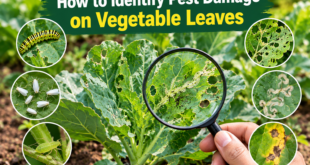
Small garden pests can also be responsible for yellow vegetable leaves. Aphids, whiteflies, spider mites, and other insects can feed on plant tissues and weaken the plant.
When checking for pests, I look at both sides of the leaves. Many small insects hide underneath leaves, making them difficult to notice from above.
Sticky residue, tiny insects, distorted leaves, fine webbing, or unusual spots can provide additional clues.
If I find a small pest problem early, I usually try simple garden management methods first. Removing badly affected leaves, washing foliage with water when appropriate, and encouraging beneficial insects can help reduce some pest populations.
It is important to identify the pest before choosing a treatment because different pests require different approaches.
Plant Diseases
Some plant diseases can also cause yellow leaves. Diseases may appear as yellow patches, spots, wilting, browning, or unusual patterns on foliage.
Fungal and bacterial problems can become more common when plants remain wet for long periods or when there is poor air circulation.
I try to avoid watering the leaves unnecessarily and provide enough space between plants. Good airflow helps foliage dry more quickly after watering or rain.
If a plant shows serious signs of disease, I remove affected plant material carefully and avoid putting diseased leaves into ordinary garden compost unless I know the composting process will safely destroy the disease.
Root Damage
Healthy roots are essential for healthy leaves. If roots are damaged during transplanting, attacked by pests, affected by disease, or disturbed by digging, the plant may struggle to absorb water and nutrients.
Root problems can sometimes cause yellowing even when the soil appears to contain enough moisture and nutrients.
When transplanting young vegetables, I handle the root area gently. I also avoid digging too close to established plants because their roots may spread farther than expected.
If a container plant suddenly develops yellow leaves, checking drainage and the condition of the root environment can provide useful information.
Natural Aging of Vegetable Leaves
Not every yellow leaf is a sign of a serious problem.
As vegetable plants mature, older leaves can naturally turn yellow and eventually fall away. This is especially noticeable when the lower leaves become old while the newer growth remains healthy and green.
When I see only a few older leaves turning yellow and the rest of the plant looks strong, I do not immediately assume something is wrong.
The overall condition of the plant matters more than one yellow leaf.
How to Prevent Yellow Leaves
Prevention is usually easier than trying to fix a stressed plant later. I focus on a few basic gardening practices to keep vegetable plants healthy.
First, I try to understand the watering needs of each vegetable. Not every plant requires exactly the same amount of water.
Second, I prepare the soil with organic matter and make sure excess water can drain away.
Third, I provide suitable sunlight and avoid overcrowding plants.
I also inspect plants regularly for insects and disease. A quick inspection every few days can help me notice problems before they become serious.
Keeping the garden clean is helpful as well. Fallen diseased leaves and heavily affected plant material should be dealt with appropriately.
How to Fix Yellow Leaves on Vegetable Plants
The best way to fix yellow leaves is to first identify the cause. There is no single treatment that works for every situation.
If the soil is too wet, improve drainage and reduce unnecessary watering. If the soil is extremely dry, provide thorough watering and create a consistent watering routine.
If a nutrient deficiency is suspected, consider a soil test before adding large amounts of fertilizer. A soil test can provide more useful information than guessing.
If pests are present, identify them and use an appropriate control method. If disease is suspected, remove affected material and improve airflow and watering practices.
I have found that making one change at a time can also be helpful. If several treatments are applied at once, it becomes difficult to know which change actually helped the plant.
Final Thoughts
Yellow leaves on vegetable plants can have many causes, but they are often a warning sign rather than an immediate disaster. The important thing is to pay attention to the pattern of yellowing and the overall condition of the plant.
When I see vegetable leaves turning yellow, I check the soil moisture first. Then I look at the roots, sunlight, nutrition, pests, and possible disease. This simple process can help narrow down the cause without making unnecessary changes.
Healthy vegetables need the right balance of water, sunlight, nutrients, air, and healthy roots. Once those basic needs are met, many plants can recover and produce new healthy growth.
So, if you notice yellow leaves in your vegetable garden, do not remove the entire plant immediately. Take a closer look, find the possible cause, and give the plant the care it actually needs. In many cases, a little attention at the right time can make a big difference.