 dolphinshave2stomachs
Related Articles
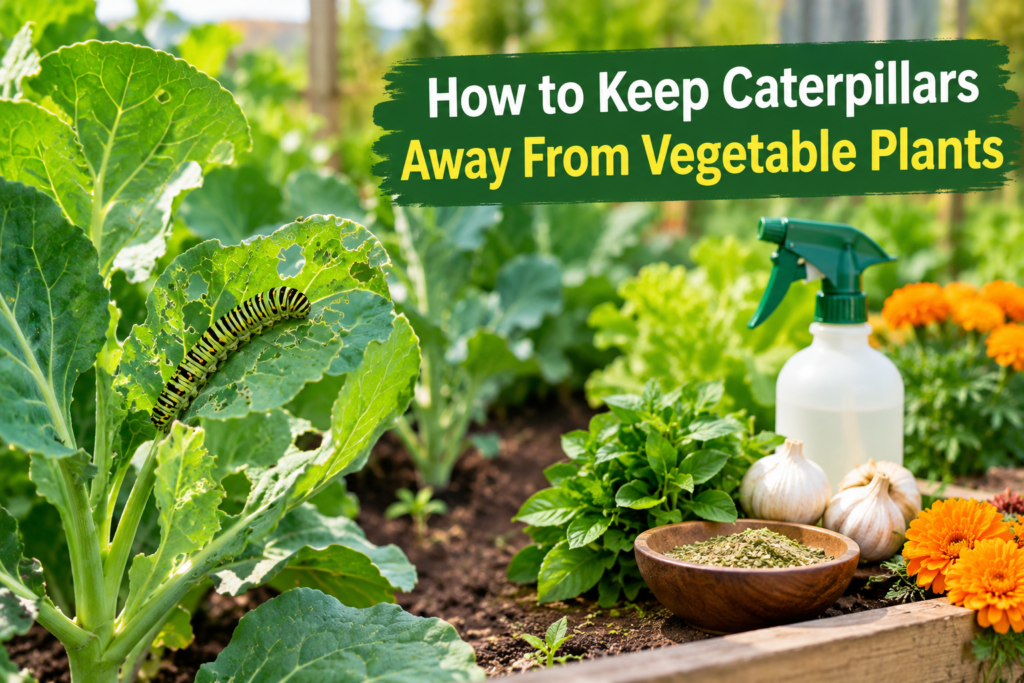
Caterpillars can become a frustrating problem in a vegetable garden. One day your plants may look healthy and full of fresh green leaves, and a few days later you may notice holes, chewed edges, and damaged foliage. I have found that caterpillars can spread quickly when the weather is warm and the garden provides plenty of fresh leaves for them to eat.
The good news is that you do not always need strong chemical pesticides to protect vegetable plants from caterpillars. There are several simple and practical methods that can help keep caterpillars away from your garden. The key is to inspect plants regularly, remove caterpillars when you find them, protect young plants, and make the garden less attractive to these pests.
In this article, I will share the methods I use and recommend for controlling caterpillars naturally and keeping vegetable plants healthy throughout the growing season.
Identify Caterpillar Damage Early
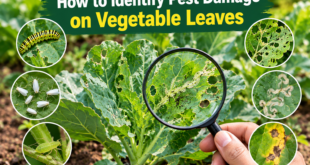
The first step in controlling caterpillars is learning how to recognize their damage. Caterpillars usually feed on plant leaves, although some types may also damage stems, flowers, and developing vegetables.
You may notice small holes scattered across the leaves. As the infestation becomes larger, the holes can become bigger and eventually leave only the veins of the leaves behind. Fresh droppings, which look like tiny dark or green pellets, can also be found on leaves and around the base of plants.
I believe early detection is one of the most important parts of pest control. If I notice a few damaged leaves, I immediately inspect the plant instead of waiting for the problem to become serious.
Check Vegetable Plants Regularly
Regular inspection can make a huge difference when you are trying to keep caterpillars away from vegetable plants. I recommend checking your plants several times a week, especially during warm weather.
Look carefully at the underside of leaves because caterpillars and their eggs are often hidden there. Check new leaves, stems, and areas where leaves meet the stem.
You should also look for small clusters of eggs. Removing eggs before they hatch can prevent a much larger caterpillar problem later.
A few minutes of inspection can save you from dealing with extensive plant damage.
Remove Caterpillars by Hand
Handpicking is one of the simplest ways to control caterpillars in a vegetable garden. If you only have a small number of caterpillars, you can carefully remove them from the plants.
I prefer to inspect my plants in the morning or evening when many garden pests are easier to find. Wear gardening gloves if you do not want to touch them directly.
Place the caterpillars in a container and move them away from your vegetable garden. If you are dealing with a severe infestation, repeat the process every day until you see fewer caterpillars.
Handpicking does not require special equipment, and it can be particularly useful for home gardeners who only have a few vegetable beds.
Use Protective Garden Netting
One of the best ways to keep caterpillars away from vegetable plants is to stop adult moths and butterflies from reaching the plants in the first place.
Fine garden netting can create a physical barrier between your vegetables and flying insects. This is especially useful for vegetables such as cabbage, broccoli, cauliflower, kale, and other leafy crops.
Make sure the netting covers the plants completely and that there are no large openings around the edges. The protection should be installed before you notice a serious infestation.
For me, prevention is always easier than trying to control a large pest population after it has already developed.
Keep the Garden Clean
Garden cleanliness can also help reduce pest problems. Remove heavily damaged leaves and clear away plant debris around your vegetable plants.
Old leaves and weeds can provide hiding places for insects and other garden pests. Keeping the growing area tidy makes it easier to inspect your plants and notice problems early.
However, I would not recommend removing every insect or disturbing every small creature in the garden. A healthy garden contains many useful insects and organisms. The goal should be to manage harmful pests while maintaining a balanced garden environment.
Encourage Beneficial Insects and Birds
Nature can provide valuable help with caterpillar control. Many birds feed on caterpillars, while some beneficial insects also attack caterpillar eggs or young caterpillars.
You can make your garden more welcoming to beneficial wildlife by growing a variety of flowering plants and avoiding unnecessary pesticide use.
Plants that produce flowers can provide food and shelter for beneficial insects. A garden with different types of plants can also support a more balanced ecosystem.
I have found that encouraging natural predators is a useful long term approach because you are working with nature rather than constantly fighting against it.
Try Neem Oil Carefully
Neem oil is commonly used by gardeners as a natural pest management option. It can help with several garden pests, particularly when used as part of a broader pest control routine.
If you choose to use neem oil, always follow the instructions on the product label. Avoid spraying during very hot conditions and be careful around beneficial insects. It is also important to test any garden treatment on a small part of the plant first.
Neem oil should not be treated as a magic solution. Regular inspection, physical removal, and plant protection should still be part of your caterpillar control strategy.
Use Bacillus Thuringiensis for Caterpillars
Bacillus thuringiensis, commonly called Bt, is another option for controlling certain caterpillar pests. It is a naturally occurring bacterium that is used in some biological pest control products.
Bt works best when young caterpillars consume treated leaves. This means timing can be important. If caterpillars are already large, treatment may not provide the same level of control.
Always read the product label before using Bt or any other garden treatment. Follow the recommended application instructions and avoid unnecessary applications.
For gardeners who prefer biological pest control methods, Bt can be an option worth considering when caterpillar populations become difficult to manage manually.
Grow Healthy Vegetable Plants
Healthy plants are often better able to tolerate some insect damage. Good soil, proper watering, enough sunlight, and suitable nutrition can help vegetable plants grow strong.
I try not to focus only on killing pests. I also focus on creating good growing conditions for the plants.
Avoid overwatering because constantly wet soil can create other plant problems. At the same time, do not allow vegetable plants to suffer from severe drought. Apply compost or suitable organic matter to improve soil quality when needed.
Healthy growth gives plants a better chance of recovering from minor leaf damage.
Rotate Your Vegetable Crops
Crop rotation can be another useful gardening practice. Instead of planting the same vegetable family in exactly the same location every season, move crops around when possible.
Crop rotation can help reduce the buildup of certain pests and diseases in the soil and garden environment.
For example, if you regularly grow cabbage family vegetables in one bed, consider planting a different type of vegetable there during the following season.
Crop rotation works best when combined with other pest management methods rather than being used alone.
Remove Caterpillar Eggs
Finding and removing caterpillar eggs can prevent future damage. Adult moths and butterflies may lay eggs directly on vegetable leaves, and these eggs can be surprisingly easy to miss.
Inspect both sides of leaves carefully. If you find a suspicious cluster of eggs, remove the affected leaf or carefully remove the eggs.
Do not assume that every caterpillar egg belongs to a harmful species. Some butterflies are beneficial or simply part of the natural garden ecosystem. Identification is helpful when possible, especially if you are trying to protect specific vegetable crops.
Avoid Overusing Pesticides
It can be tempting to reach for a strong pesticide when you see caterpillar damage, but unnecessary pesticide use can create additional problems.
Broad spectrum pesticides may affect beneficial insects along with unwanted pests. Bees, ladybugs, predatory insects, and other helpful organisms can be harmed by careless pesticide use.
I prefer to start with the least disruptive method that can solve the problem. Handpicking, netting, garden sanitation, and encouraging natural predators are good starting points.
If a treatment is necessary, read the label carefully and use only the amount recommended for the specific crop and pest.
Protect Young Vegetable Plants
Young plants are particularly vulnerable because they have fewer leaves and less established growth. A small number of caterpillars can cause significant damage to a young vegetable plant.
I recommend checking seedlings frequently and considering protective netting during the early stages of growth.
If you notice caterpillar damage on young plants, act quickly. Remove visible caterpillars and inspect the entire plant for eggs.
Early protection can help young vegetables establish strong roots and healthy foliage before pest pressure increases.
Final Thoughts
Learning how to keep caterpillars away from vegetable plants does not have to be complicated. In my experience, the most effective approach is to stay consistent rather than waiting until the garden has a major infestation.
Inspect your plants regularly, look underneath leaves, remove caterpillars and eggs when appropriate, and use garden netting to create a physical barrier. Keeping the garden clean and encouraging birds and beneficial insects can also support natural pest control.
For more serious problems, options such as neem based products or Bacillus thuringiensis may be considered when used correctly and according to their labels.
The most important thing is to pay attention to your vegetable plants. When you notice caterpillar damage early, you have a much better chance of protecting your crops without relying heavily on pesticides.
A healthy vegetable garden is not necessarily a garden without insects. Instead, I believe a successful garden is one where harmful pests are kept under control while beneficial insects, birds, soil organisms, and plants are given the opportunity to thrive. With regular observation and a few simple preventive habits, you can keep caterpillars from taking over your vegetable garden and enjoy healthier plants throughout the growing season.