 dolphinshave2stomachs
Related Articles
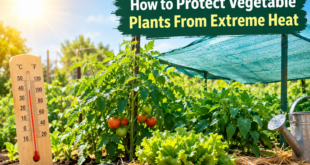
Hot weather can be one of the biggest challenges when growing vegetables. When temperatures rise, the soil dries faster, plants lose more moisture, and vegetables can begin to wilt even when they looked healthy the day before. I have found that watering vegetables during hot weather is not simply about adding more water. The timing, method, soil condition, and type of vegetable all make a difference.
A good watering routine helps vegetable plants stay healthy, continue growing, and produce better harvests throughout the summer. In this guide, I will explain how to water vegetables during hot weather, how often to water them, the best time of day to water, and some common mistakes that can cause problems.
Why Vegetables Need More Water During Hot Weather
Vegetable plants naturally lose water through their leaves in a process called transpiration. During hot and dry weather, this process can happen much faster. Strong sunlight and warm temperatures also cause moisture in the soil to evaporate quickly.
If the roots cannot replace the lost moisture, plants may begin to wilt. Leaves can become soft, curled, or yellow, and fruit production may slow down.
Some vegetables are especially sensitive to inconsistent watering. Tomatoes, cucumbers, peppers, squash, beans, and leafy greens can all suffer when the soil repeatedly becomes too dry.
For this reason, I prefer to monitor the soil instead of following a strict watering schedule. Weather conditions can change from one day to another, so checking the soil gives a much better idea of what the plants actually need.
Water Vegetables Early in the Morning
One of the best gardening habits during hot weather is watering early in the morning. Morning temperatures are usually cooler, which gives water time to move into the soil before the heat becomes intense.
Morning watering also gives plants access to moisture during the hottest part of the day. This can reduce stress and help plants remain healthier when temperatures rise.
I usually recommend watering in the early morning whenever possible. If mornings are not practical, late afternoon or early evening can also work, but it is better to avoid keeping the leaves wet for long periods overnight.
How Often Should You Water a Vegetable Garden?
There is no single watering schedule that works for every vegetable garden. The right frequency depends on temperature, soil type, plant size, rainfall, wind, and whether the vegetables are growing in containers or in the ground.
During very hot weather, you may need to water more frequently than usual. However, watering a little every day is not always the best approach.
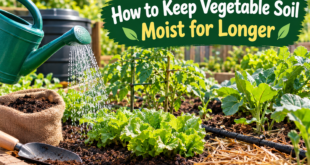
I prefer deep and thorough watering when the soil needs moisture. Deep watering encourages roots to grow deeper into the soil, where moisture may remain available for longer.
Before watering, push your finger into the soil around the plant. If the soil feels dry several centimeters below the surface, the plant may need water. If it is still moist, you may be able to wait.
Water Deeply Instead of Shallowly
One common mistake is giving vegetable plants a small amount of water that only wets the surface. This may make the soil look wet temporarily, but the moisture may not reach the deeper root area.
Deep watering allows moisture to move farther into the soil and reach the roots. This is particularly important for larger plants such as tomatoes, cucumbers, peppers, and squash.
When I water, I try to apply water slowly enough that it can soak into the soil instead of running away from the planting area.
If water begins pooling or flowing across the surface, slow down. This usually means the soil cannot absorb the water quickly enough.
Water the Soil, Not Just the Leaves
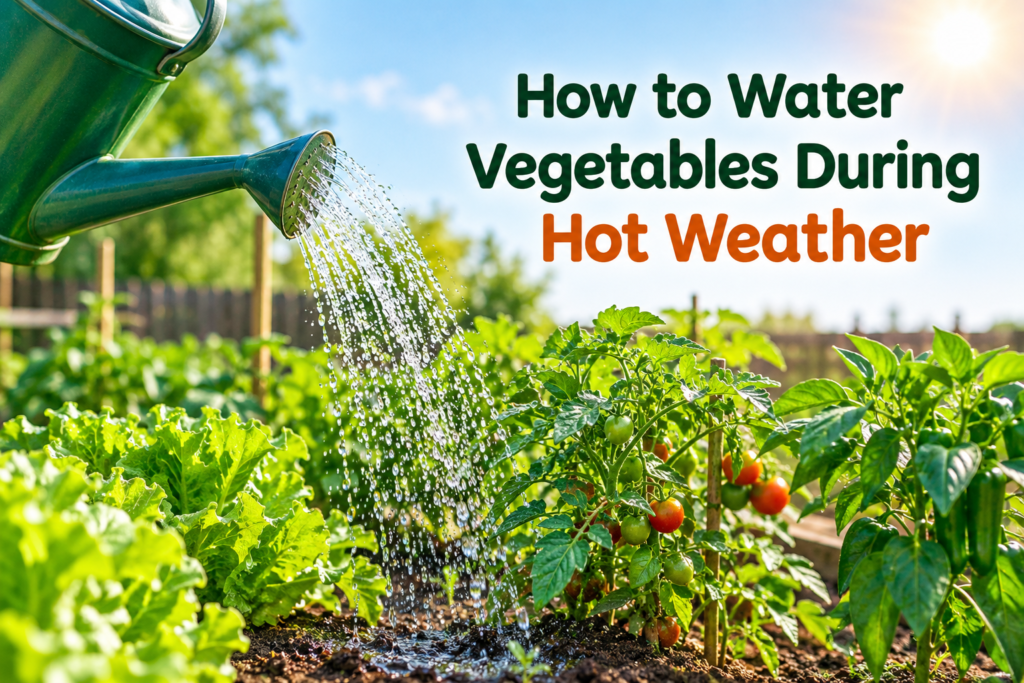
When watering vegetables, the main goal is to provide moisture to the root zone. Watering directly onto the leaves is usually less useful than applying water near the base of the plant.
A gentle stream directed toward the soil allows water to reach the roots more efficiently. It also helps reduce unnecessary wetness on the foliage.
Wet leaves can create conditions that encourage certain plant diseases, especially when air circulation is poor. This is another reason I prefer watering at the base of vegetable plants whenever possible.
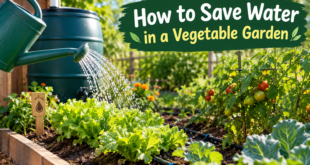
A watering can with a gentle rose, a soaker hose, or a drip irrigation system can all work well.
Use Mulch to Keep Soil Moist
Mulching is one of my favorite ways to help a vegetable garden survive hot weather. A layer of suitable organic mulch can reduce evaporation and help keep the soil cooler.
Materials such as straw, compost, shredded leaves, or other appropriate organic materials can be used around many vegetables.
Mulch should not be piled directly against plant stems. Leave a little space around the base of each plant to improve airflow and reduce the chance of stem problems.
The right mulch can also help control weeds. This is useful because weeds compete with vegetables for water and nutrients.
Pay Attention to Container Vegetables
Vegetables growing in containers often need more frequent watering than vegetables planted directly in the ground. Containers have a limited amount of soil, and they can heat up quickly during summer.
Tomatoes, peppers, herbs, and other container vegetables may become dry much faster on hot days.
I recommend checking container soil regularly, especially during periods of high temperatures. Do not rely only on the appearance of the surface because the lower part of the container may have a different moisture level.
Make sure containers have proper drainage. Plants need water, but their roots also need air. Constantly saturated soil can create root problems.
Different Vegetables Have Different Water Needs
Not every vegetable requires exactly the same amount of water.
Leafy greens such as lettuce may need consistently moist soil because their leaves can wilt quickly in hot conditions. Cucumbers and squash also use considerable amounts of water while producing new growth and fruit.
Tomatoes and peppers benefit from consistent moisture, especially when they are flowering and producing fruit. Irregular watering can contribute to problems with fruit quality.
Root vegetables have their own needs as well. Carrots, radishes, and beets need enough moisture for steady root development.
Instead of watering every plant in exactly the same way, I pay attention to the size, growth stage, and condition of each crop.
Watch for Signs of Underwatering
Vegetable plants often show visible signs when they are not getting enough water. Wilting is one of the most obvious signs, but it is not the only one.
Other signs can include dry soil, curling leaves, slow growth, dropping flowers, and smaller fruits.
However, plants can sometimes wilt temporarily during extreme heat even when the soil still contains enough moisture. This is why I recommend checking the soil before automatically adding more water.
If the soil is dry and the plant is showing stress, water thoroughly and observe how it responds.
Avoid Overwatering During Hot Weather
It may seem logical to give plants as much water as possible when temperatures are high, but overwatering can be just as problematic as underwatering.
Excess water can remove air from the spaces between soil particles. Vegetable roots need both moisture and oxygen, so constantly saturated soil can weaken them.
Overwatering can also encourage root diseases and nutrient problems.
The goal is not to keep the soil soaking wet all the time. The goal is to maintain an appropriate level of moisture around the root zone.
Good drainage is especially important after heavy rain followed by hot weather.
Use Drip Irrigation or Soaker Hoses
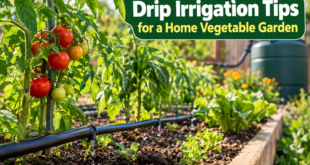
If you have a larger vegetable garden, drip irrigation or soaker hoses can make watering much easier.
These systems deliver water close to the soil surface and can reduce water loss caused by evaporation. They also make it easier to provide consistent moisture without repeatedly spraying the entire garden.
I especially like these methods for vegetable beds because they keep the foliage relatively dry and direct water toward the roots.
Even if you do not install a permanent irrigation system, a simple soaker hose can save time during hot periods.
Check the Garden More Often During Heat Waves
During normal weather, a garden may only need occasional checking. During a heat wave, I recommend checking vegetable plants more frequently.
Look at the soil, leaves, stems, and overall growth. Pay particular attention to plants growing in small containers or areas exposed to strong afternoon sunlight.
Wind can also dry the soil quickly. A hot, windy day can create more water demand than a calm day with the same temperature.
Adjust your watering routine according to actual garden conditions instead of following the calendar alone.
Avoid Watering in the Middle of the Day
Watering during the hottest part of the day is not always harmful, but it is generally less efficient because evaporation can be high.
A significant amount of water may be lost before it reaches the deeper root zone.
If your plants are severely wilted and clearly need water, do not wait until morning simply because it is not the ideal time. Watering a stressed plant is more important than following a perfect schedule.
However, for regular maintenance, early morning is usually a better choice.
How Much Water Should Vegetable Plants Get?
Rather than focusing only on a specific number of minutes, I prefer to focus on soil moisture and how deeply the water penetrates.
The water should reach the main root zone without creating prolonged standing water.
Soil type matters as well. Sandy soil drains quickly and may need more frequent watering. Clay soil holds moisture longer but may absorb water slowly. Organic matter can improve the soil’s ability to hold and distribute moisture.
This is why observing your own garden is so important.
Final Thoughts
Learning how to water vegetables during hot weather can make a major difference in the health and productivity of a vegetable garden. The most important thing is to provide consistent moisture without keeping the soil constantly saturated.
I recommend watering early in the morning, applying water slowly to the root zone, using mulch to reduce evaporation, and checking the soil regularly. Container vegetables may need extra attention, while larger garden beds can often benefit from drip irrigation or soaker hoses.
Most importantly, pay attention to your plants. They will often tell you when something is wrong. By developing a simple watering routine and adjusting it according to temperature, rainfall, soil conditions, and plant growth, you can help your vegetables handle hot weather and continue producing a healthy harvest.