 dolphinshave2stomachs
Related Articles
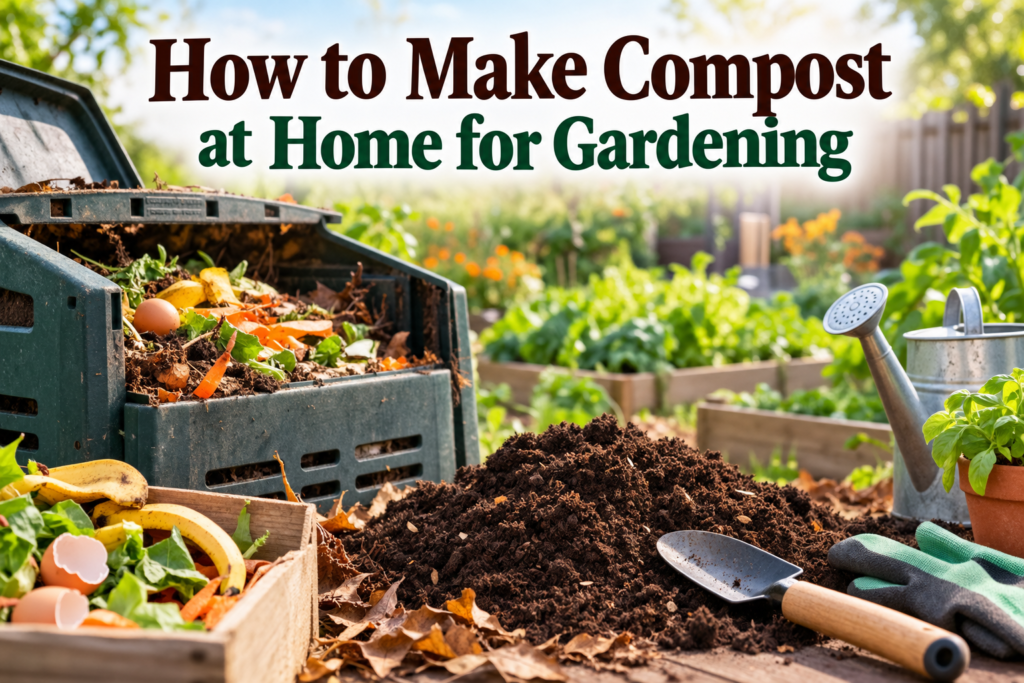
Making compost at home is one of the simplest ways I know to improve garden soil naturally. Instead of throwing kitchen scraps, dry leaves, and garden waste into the trash, I can turn many of these materials into something useful for plants. Homemade compost adds organic matter to the soil, helps improve its structure, and can support healthier vegetable and flower growth.
In my experience, composting does not need to be complicated. You do not need expensive equipment or a large garden. With the right materials, a suitable place, and a little patience, almost anyone can learn how to make compost at home for gardening.
What Is Compost?
Compost is organic material that has broken down naturally through the activity of microorganisms, insects, and other decomposers. When the process is finished, the original materials become a dark, crumbly material that looks and smells similar to healthy soil.
Compost is sometimes called black gold by gardeners because of how useful it can be. I like using it as a natural soil amendment because it can improve the condition of the soil while also making use of household and garden waste.
The finished compost can be added to vegetable beds, flower gardens, containers, raised beds, and around established plants.
Why Make Compost at Home?
There are several reasons I think home composting is worth trying.
First, it can reduce the amount of organic waste going into household garbage. Vegetable peels, fruit scraps, dry leaves, and grass clippings can often be reused instead of discarded.
Second, homemade compost can improve garden soil. Organic matter can help improve soil structure, moisture retention, and drainage.
Third, composting gives gardeners a useful material that can be added to the garden over time. Instead of depending completely on purchased soil amendments, I can create part of what my garden needs from materials already available at home.
It is also satisfying to see kitchen and garden waste become something useful.
What Materials Can Be Composted?
Successful composting starts with choosing suitable materials. I generally divide compost ingredients into two simple groups called green materials and brown materials.
Green materials are generally rich in nitrogen. Examples include vegetable scraps, fruit scraps, fresh grass clippings, coffee grounds, and fresh plant material.
Brown materials are generally rich in carbon. Examples include dry leaves, untreated paper, cardboard, small dry branches, and straw.
Both groups are important. Using only one type of material can make the composting process less balanced.
Green Compost Materials
Green materials provide nitrogen, which supports the microorganisms responsible for decomposition.
Common green materials include fruit and vegetable scraps, coffee grounds, fresh grass clippings, and young weeds that have not gone to seed.
I usually cut larger food scraps into smaller pieces when possible. Smaller pieces provide more surface area for microorganisms and can break down more easily.
However, composting does not mean putting every type of kitchen waste into the pile. Meat, fish, dairy products, oily foods, and heavily processed food can attract pests and create unpleasant odors in a simple home compost pile.
Brown Compost Materials
Brown materials provide carbon and help create the structure needed for good airflow.
Dry leaves are one of my favorite compost materials because they are easy to collect and store. Shredded cardboard and untreated paper can also be useful.
Small pieces of untreated wood and dry plant material may also be added in moderation.
If the compost pile becomes wet and smells unpleasant, adding more dry brown material can help. Brown materials can also prevent the pile from becoming a dense, wet mass.
Choosing a Place for Your Compost
You do not necessarily need a large area for composting. A small corner of a backyard can work well.
I would choose a location that is convenient to reach because you will probably add materials regularly. A spot with some shade can also be useful in hot climates because it can help prevent the pile from drying out too quickly.
Good airflow is important, so avoid placing the compost container in a completely enclosed area.
You can use a commercial compost bin, a simple wooden structure, or another suitable container designed to allow air circulation.
How to Start a Compost Pile
Once you have chosen your location, start by creating a base layer of coarse brown material. Small dry branches or similar material can help improve airflow near the bottom.
Then add a mixture of green and brown materials.
I prefer adding materials in layers rather than putting a large amount of one material into the pile at once. For example, you can add some dry leaves, then kitchen scraps, followed by more dry leaves or shredded cardboard.
There is no need to make every layer perfectly equal. The goal is to maintain a reasonable balance of moist green materials and dry brown materials.
The Importance of Moisture
Moisture is an important part of composting. Microorganisms need moisture to remain active, but excessive water can reduce airflow and create bad odors.
I think of the ideal moisture level as similar to a damp sponge that has been squeezed. The material should feel moist but should not be dripping wet.
If the pile becomes too dry, add some water and mix the material. If it becomes too wet, add dry leaves, shredded cardboard, or other suitable brown materials.
Checking moisture occasionally can prevent many common composting problems.
Why Air Is Important
Compost microorganisms need oxygen, especially in a well managed aerobic compost pile.
Without enough air, the pile can become compacted and develop an unpleasant smell. Turning the compost helps introduce air and distribute moisture throughout the pile.
You can use a garden fork or compost aerator to mix the material. How often you need to turn the pile depends on the composting method and the materials being used.
I would not worry about turning it every single day. Regular mixing is useful, but composting can still happen when you use a slower approach.
How Long Does Homemade Compost Take?
The time required to make compost depends on temperature, moisture, airflow, materials, and how often the pile is turned.
A well managed compost pile can break down relatively quickly, while a slower pile may take several months.
I prefer to be patient rather than using compost before it is fully finished.
Finished compost should look dark and crumbly. Most of the original materials should no longer be recognizable, although a few small pieces may remain.
It should also have a pleasant earthy smell rather than a strong rotten odor.
Common Composting Problems
One common problem is a bad smell. This often indicates that the pile is too wet or lacks sufficient airflow. Adding dry brown materials and turning the pile can help restore better conditions.
Another problem is a pile that does not seem to break down. If the material is too dry, decomposition may slow down. Adding moisture and mixing the pile can help.
Large pieces of material can also take longer to decompose. Cutting or shredding materials into smaller pieces can speed up the process.
Sometimes people add too many kitchen scraps at once. This can create a wet and unpleasant pile. Adding dry leaves or shredded cardboard along with food scraps can help maintain balance.
What Should Not Go Into Home Compost?
Knowing what not to compost is just as important as knowing what to add.
I generally avoid adding meat, fish, bones, dairy products, oils, and greasy foods to a basic backyard compost pile. These materials can attract unwanted animals and may create odors.
Pet waste should also be avoided in ordinary home compost intended for food gardens because it can carry pathogens.
Diseased plants are another material I would handle carefully. A basic compost pile may not reach temperatures high enough to reliably destroy every plant disease or weed seed.
Avoid adding plastics, treated wood, synthetic materials, and other items that do not naturally break down.
How to Use Finished Compost in the Garden
Once your compost is mature, there are several ways to use it.
Before planting vegetables, I can mix a layer of finished compost into the upper soil. This adds organic matter and helps create a better growing environment.
Compost can also be spread around established plants as a top dressing. As water moves through the soil, nutrients and organic compounds from the compost can become part of the soil environment.
For container gardening, compost can be included as part of a suitable growing mix, but I would not fill containers with pure compost. Container plants need a growing medium with appropriate drainage, aeration, and structure.
Compost can also be useful when preparing raised garden beds.
Compost for Vegetable Gardening
If you grow tomatoes, peppers, cucumbers, beans, lettuce, herbs, or other vegetables, compost can be a valuable addition to your gardening routine.
I especially like using compost when preparing vegetable beds before planting. Instead of trying to correct every soil problem with fertilizer, improving the organic matter content can provide broader benefits for soil structure.
However, compost should not be treated as a complete replacement for all fertilizers. If a soil test shows a specific nutrient deficiency, additional amendments may still be needed.
Tips for Successful Home Composting
Start small if you are new to composting. A manageable compost pile is easier to understand and maintain.
Keep a supply of dry leaves or shredded cardboard nearby. These materials are extremely useful when the pile becomes too wet.
Cut larger kitchen scraps into smaller pieces when practical.
Keep the compost moist but not soaked.
Turn the pile occasionally to improve airflow.
Avoid adding materials that can attract pests.
Be patient and allow the compost to fully mature before using it.
Most importantly, do not become discouraged if your first compost pile does not work perfectly. Composting is a natural process, and small adjustments can make a big difference.
Final Thoughts
For me, learning how to make compost at home for gardening is one of the easiest ways to turn everyday waste into something valuable. Fruit and vegetable scraps, dry leaves, grass clippings, and other suitable organic materials can become useful compost when they receive the right balance of moisture, air, carbon, and nitrogen.
You do not need a complicated system to get started. A small compost bin or simple pile can be enough. With regular attention and patience, the material will gradually break down into a dark, earthy substance that can be returned to the garden.
Good compost can help improve garden soil, support plant growth, and reduce household organic waste. Once you get used to composting, it can become a simple part of your regular gardening routine.
For anyone starting a vegetable garden or trying to improve existing soil, I think home composting is a practical habit worth learning. It saves useful organic material from being wasted and gives the garden something valuable in return.