 dolphinshave2stomachs
Related Articles
Growing vegetables can be frustrating when the soil does not provide the right conditions for healthy plant growth. Sometimes seeds germinate slowly, plants remain small, leaves turn yellow, or vegetables never reach the size and quality we expect. In many cases, the problem is not the vegetable itself but the condition of the soil.
From my experience, improving poor soil is one of the most useful things a gardener can do before expecting a vegetable garden to produce well. Healthy soil gives roots access to air, water, nutrients, and beneficial microorganisms. The good thing is that even very poor soil can usually be improved with the right approach.
In this guide, I will explain how to improve poor soil for vegetable plants, what materials can help, how to identify common soil problems, and how to maintain healthy soil throughout the growing season.
Understand What Makes Soil Poor
Before adding anything to your garden, it helps to understand what is wrong with the soil. Poor soil can have several different problems.
Some soil is too sandy and cannot hold enough moisture or nutrients. Other soil contains too much clay and becomes hard when dry and sticky when wet. Soil can also become poor because it has very little organic matter or because plants have used many available nutrients over time.
Another common issue is incorrect soil pH. Most vegetables grow well in slightly acidic to neutral soil, although individual plants have different preferences.
I believe the first step should always be observation. Look at how the soil behaves after watering, how easily you can dig it, whether it drains properly, and whether plants have grown well in that area before.
Test Your Garden Soil
A soil test can tell you much more than simply looking at the ground. It can provide information about soil pH and nutrient levels and may help identify problems that are difficult to see.
If your garden soil has never been tested, getting a basic soil test is a useful starting point. The results can help you decide whether you actually need fertilizer, lime, sulfur, or other amendments.
I would avoid adding large amounts of random products without understanding what the soil needs. More fertilizer does not always mean healthier plants. In some situations, excessive nutrients can create additional problems.
A soil test gives you a clearer idea of what you are working with.
Add Plenty of Organic Matter
One of the most effective ways to improve poor soil is to increase its organic matter.
Compost is one of my favorite choices because it can improve the overall condition of garden soil. Mature compost adds organic material while helping create a better environment for soil organisms.
You can mix finished compost into the top layer of soil before planting. It can also be added around established plants as a surface amendment.
Other suitable organic materials may include well aged manure, leaf mold, and properly decomposed plant material. Always make sure manure is properly aged or composted before using it around vegetable plants.
Organic matter can help sandy soil hold moisture and can improve the structure of heavy clay soil. This makes it a valuable addition for many different types of gardens.
Improve Clay Soil
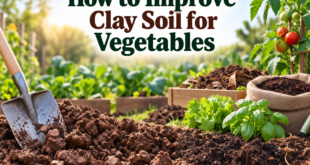
Clay soil can be challenging because its tiny particles can become tightly packed. When wet, clay may feel sticky, and when dry, it can become extremely hard.
Vegetable roots need access to air and water, so compacted clay can make root development difficult.
Adding compost regularly is one practical way to improve clay soil over time. Organic matter helps create spaces within the soil and supports a healthier soil structure.
I recommend working with clay soil when it is slightly moist rather than extremely wet. Digging or walking on saturated clay can increase compaction and make the problem worse.
Avoid trying to completely transform clay soil in one afternoon. Soil improvement is usually a gradual process.
Improve Sandy Soil
Sandy soil has the opposite problem in many cases. Water can move through it quickly, and nutrients may not remain available for long.
Adding organic matter can help sandy soil retain more moisture and nutrients. Compost and well decomposed organic materials are particularly useful.
Mulching the surface can also reduce moisture loss. This can be especially helpful during hot weather when vegetable plants require regular water.
If your soil is very sandy, improving it gradually every season can make a noticeable difference.
Use Compost Correctly
Compost is helpful, but quality matters. Good compost should be dark, crumbly, and well decomposed. It should not contain large amounts of recognizable fresh plant material.
I prefer adding moderate amounts of finished compost rather than creating an extremely rich soil mixture all at once. Vegetables need nutrients, but the goal is to build balanced soil rather than simply add as much fertilizer as possible.
You can mix compost into the planting area or apply it as a surface layer. Over time, natural soil activity will help incorporate organic matter.
Check and Adjust Soil pH
Soil pH affects how easily plants can access certain nutrients. If the pH is too high or too low, vegetables may show signs of nutrient deficiency even when nutrients are present in the soil.
A soil test can help determine whether your soil pH needs adjustment.
Garden lime is commonly used to raise soil pH, while certain sulfur based amendments can be used to lower it. However, the correct material and amount depend on your soil condition.
I would not add lime or sulfur simply because someone recommends it generally. Test the soil first and follow the recommendations appropriate for your garden.
Avoid Over Fertilizing
When vegetable plants grow poorly, many gardeners immediately reach for fertilizer. Fertilizer can be useful, but overuse can cause problems.
Too much fertilizer can damage roots and contribute to excessive plant growth without producing the healthy vegetables you want.
A better approach is to understand the soil first and then provide nutrients based on actual needs. Compost, organic matter, and appropriate fertilizer can work together as part of a balanced soil improvement plan.
For container vegetables, nutrient management can be especially important because containers have a limited amount of growing medium.
Improve Soil Drainage
Good drainage is essential for most vegetable plants. Roots need water, but they also need oxygen. Soil that stays saturated for long periods can create unhealthy conditions for roots.
If your garden has poor drainage, adding organic matter may help improve soil structure, but severe drainage problems may require a different solution.
Raised garden beds can be useful where native soil remains difficult to manage. They allow you to create a suitable growing medium above the existing ground.
Avoid planting vegetables in areas where water consistently collects unless the plants are specifically suited to wet conditions.
Do Not Walk on Garden Beds
One simple habit that can protect soil quality is avoiding unnecessary foot traffic on planting areas.
Walking repeatedly across garden beds compresses the soil and reduces the spaces that roots and soil organisms need.
I prefer creating permanent paths between planting areas. This keeps most foot traffic away from the root zone and makes the garden easier to manage.
Even small gardens can benefit from this approach.
Use Mulch to Protect Soil
Mulching is another simple way to improve and maintain garden soil.
Organic mulch such as shredded leaves, straw, or other suitable natural materials can help reduce evaporation and protect the surface from heavy rain. As some organic mulches break down, they also contribute organic material to the soil.
Mulch can help keep soil temperatures more stable and reduce the growth of competing weeds.
However, avoid placing thick layers of mulch directly against vegetable stems. Leave a small amount of space around the base of plants.
Grow Cover Crops When Possible
If you have a larger garden or an area that will remain unused for part of the year, cover crops can help protect the soil.
Certain cover crops can reduce erosion, add organic material, and support soil health. Legume cover crops can also contribute nitrogen to the soil through their relationship with beneficial bacteria.
The best cover crop depends on your climate, soil, planting schedule, and gardening goals.
Even when you do not grow cover crops, keeping soil covered with appropriate organic material is generally better than leaving it exposed to the elements for long periods.
Rotate Your Vegetable Crops
Growing the same vegetable family in exactly the same location every season can contribute to recurring pest and disease problems and may place repeated demands on certain soil nutrients.
Crop rotation involves changing where different vegetable families are planted from one season to another.
For example, you can rotate areas used for tomatoes and peppers with areas used for beans, leafy vegetables, or root crops.
Rotation is not always easy in a small garden, but even a basic plan can help improve long term garden management.
Encourage Beneficial Soil Life
Healthy soil is more than a mixture of minerals and organic material. It is also home to many microorganisms and small organisms that contribute to decomposition and nutrient cycling.
Adding finished compost and organic material can provide a better environment for beneficial soil life.
I also try to avoid disturbing garden soil more than necessary. Excessive digging can break apart soil structure and disturb the organisms living within it.
A garden does not need to look perfectly clean to have healthy soil. Some natural organic material can be beneficial when managed properly.
Give Soil Time to Improve
One mistake I often see gardeners make is expecting poor soil to become perfect immediately.
Soil improvement is usually a long term process. Compost added this season can help, but regular additions over several seasons can produce much more noticeable changes.
The best approach is to make small improvements consistently. Add organic matter, protect the soil surface, avoid compaction, manage water properly, and provide nutrients according to actual plant needs.
Over time, soil can become easier to work and more suitable for vegetable production.
Signs That Your Soil Is Improving
You may notice several positive changes as your soil improves.
Healthy improved soil is often easier to dig and has a crumbly structure. It should hold enough moisture without remaining saturated for too long.
Vegetable roots may become stronger and plants may show more consistent growth. Earthworms and other soil organisms may also become more noticeable.
Another important sign is that water begins moving through the soil more evenly. Instead of immediately running away from sandy soil or sitting on top of compacted clay, water can gradually move into the root zone.
These changes do not happen overnight, but they are good indicators that your gardening practices are working.
Final Thoughts
Learning how to improve poor soil for vegetable plants can make a major difference in the success of a garden. Instead of blaming weak plants or constantly adding fertilizer, I believe it is better to start with the foundation: the soil.
Test the soil when possible, add quality organic matter, improve drainage, protect the surface with mulch, avoid compaction, and use fertilizers or soil amendments based on actual needs.
The most important thing to remember is that healthy soil is built gradually. You do not need to completely replace poor soil to create a productive vegetable garden. With regular care and thoughtful improvements, even difficult soil can become a much better growing environment.
For me, good soil is one of the best investments a gardener can make. When the soil supports healthy roots, vegetables have a much better opportunity to grow strongly, produce well, and remain healthier throughout the season.