 dolphinshave2stomachs
Related Articles
Introduction
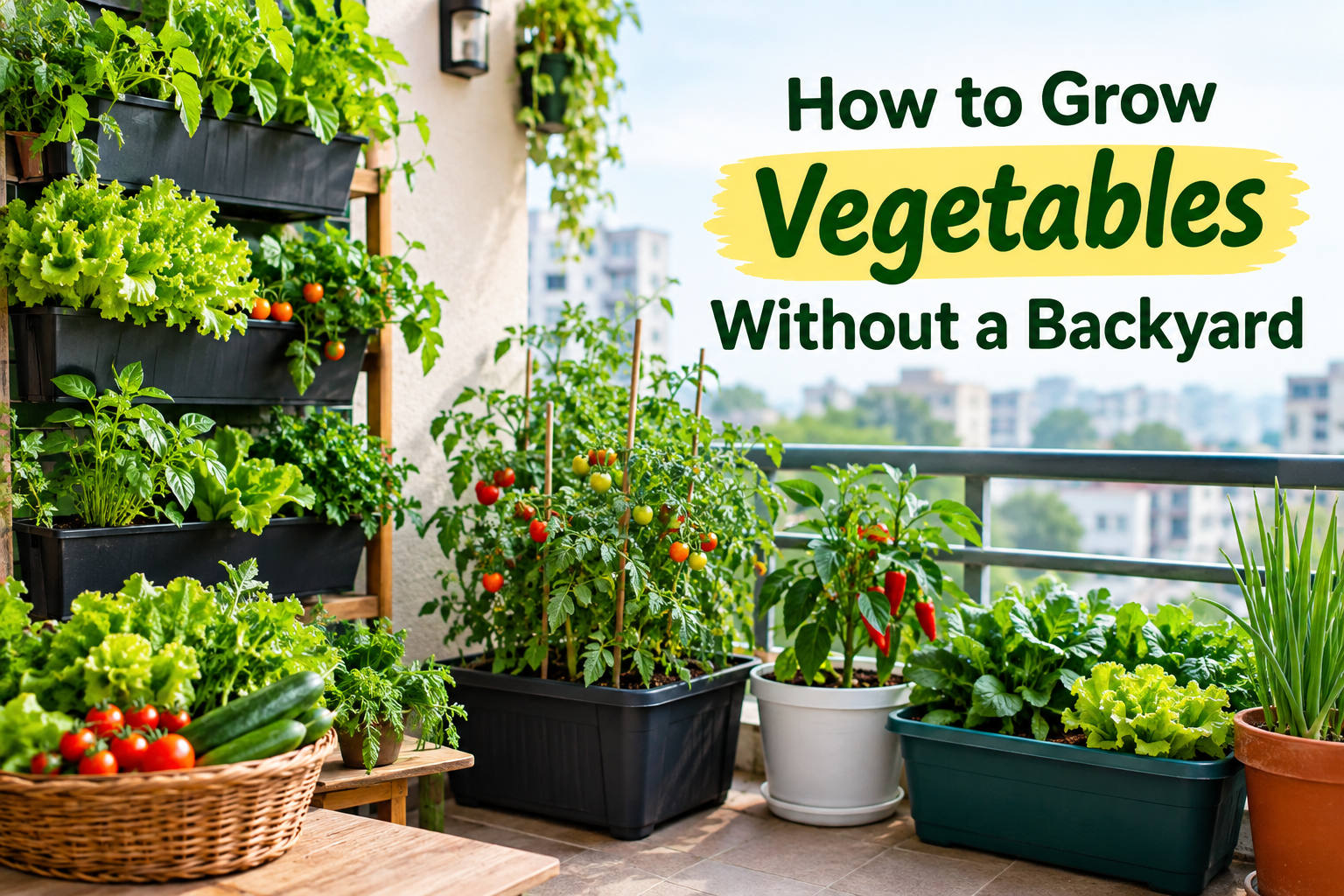
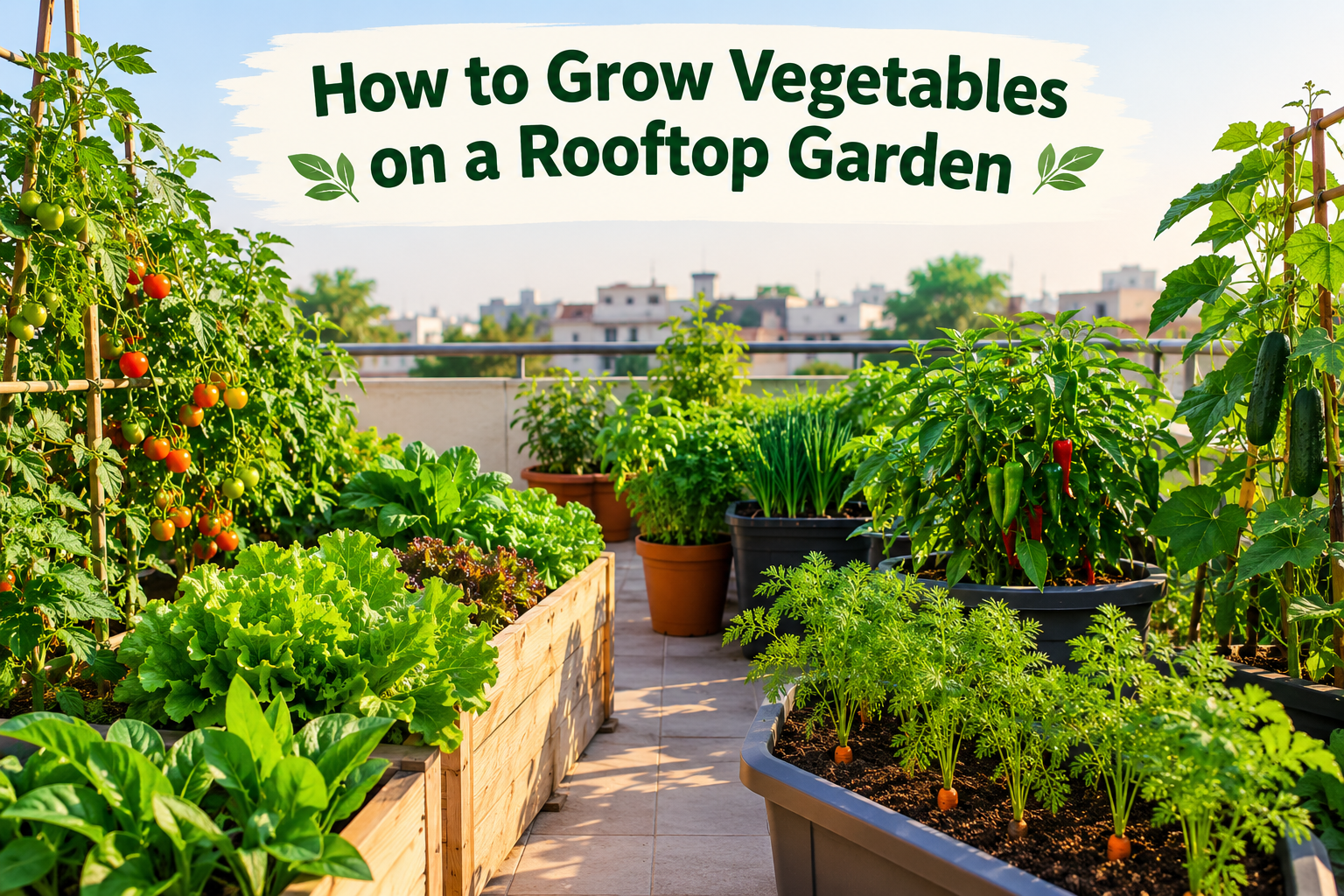
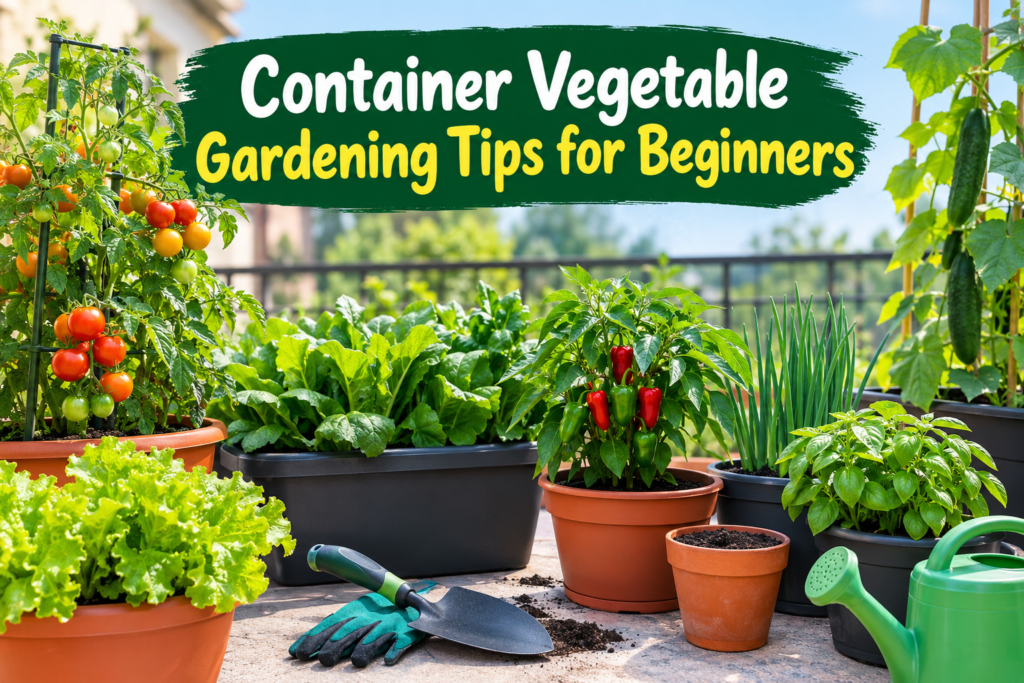
Container vegetable gardening is one of the easiest ways to start growing fresh vegetables at home. You do not need a large backyard, expensive equipment, or years of gardening experience. A few pots, good soil, enough sunlight, and regular care can help you grow useful vegetables on a balcony, rooftop, patio, or even a small windowsill.
In my experience, growing vegetables in containers is a practical choice for beginners because it allows you to start small and learn as you go. You can control the soil, move plants when needed, and choose vegetables that suit your available space. The most important thing is to understand what each plant needs instead of treating every container in the same way.
This guide covers the most useful container vegetable gardening tips for beginners, including choosing the right pots, preparing soil, watering, sunlight, feeding, and protecting plants from common problems.
1. Choose the Right Containers
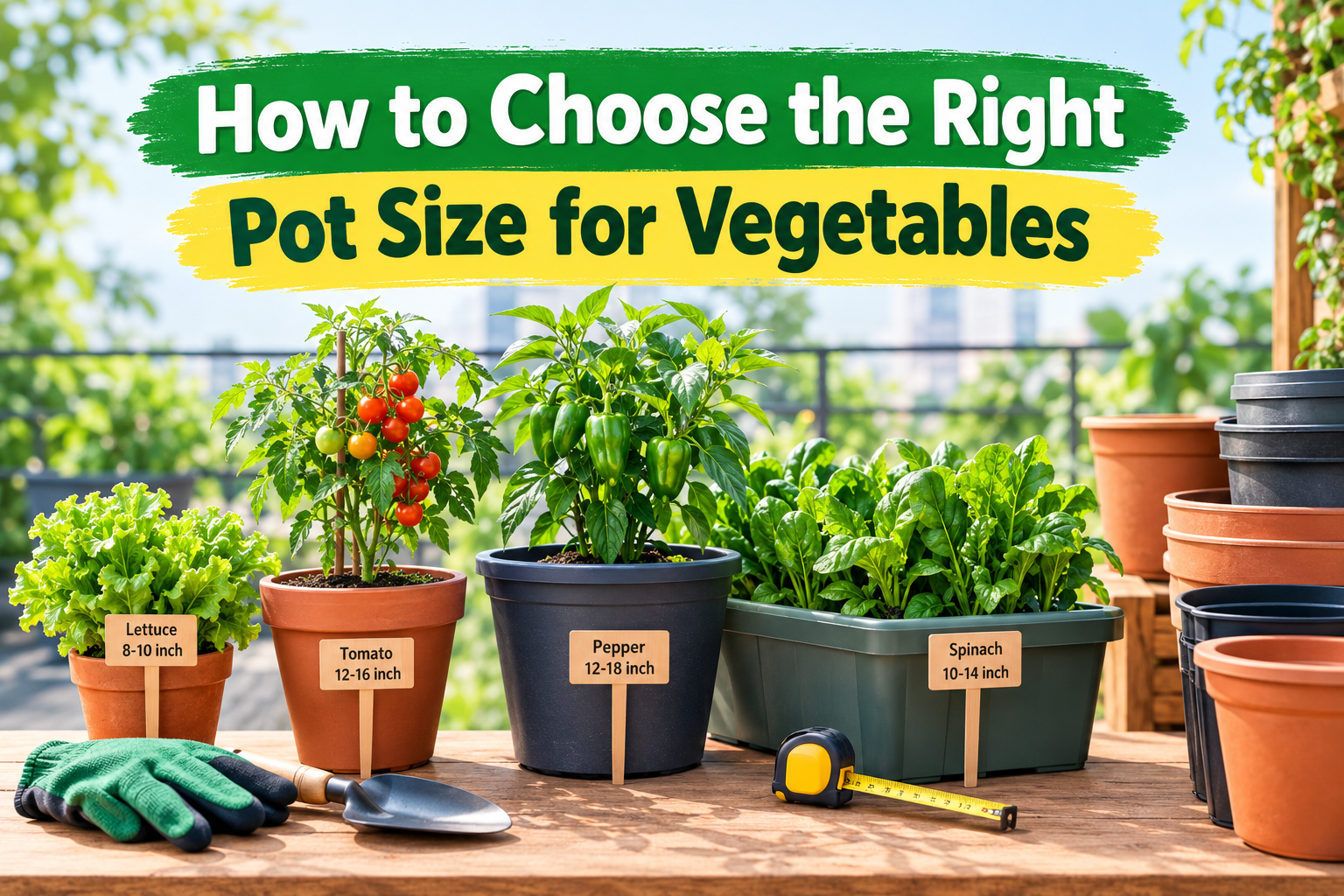
Choosing the right container is the first step toward a successful vegetable garden. Many beginners select small decorative pots because they look attractive, but these may not provide enough space for vegetable roots to grow. A container should be large enough for the mature plant, not just the seedling.
For leafy vegetables such as lettuce, spinach, and arugula, shallow containers can work well. Radishes also grow successfully in relatively shallow pots. Tomatoes, peppers, eggplants, and larger vegetables usually need deeper containers with enough room for their roots.
Container size guide
| Vegetable | Suggested depth |
| Lettuce and herbs | 15 to 20 cm |
| Radishes | 15 to 20 cm |
| Spinach | 15 to 20 cm |
| Peppers | 25 to 35 cm |
| Tomatoes | 30 to 45 cm |
These are practical starting points. The final pot size depends on the vegetable variety and mature root system.
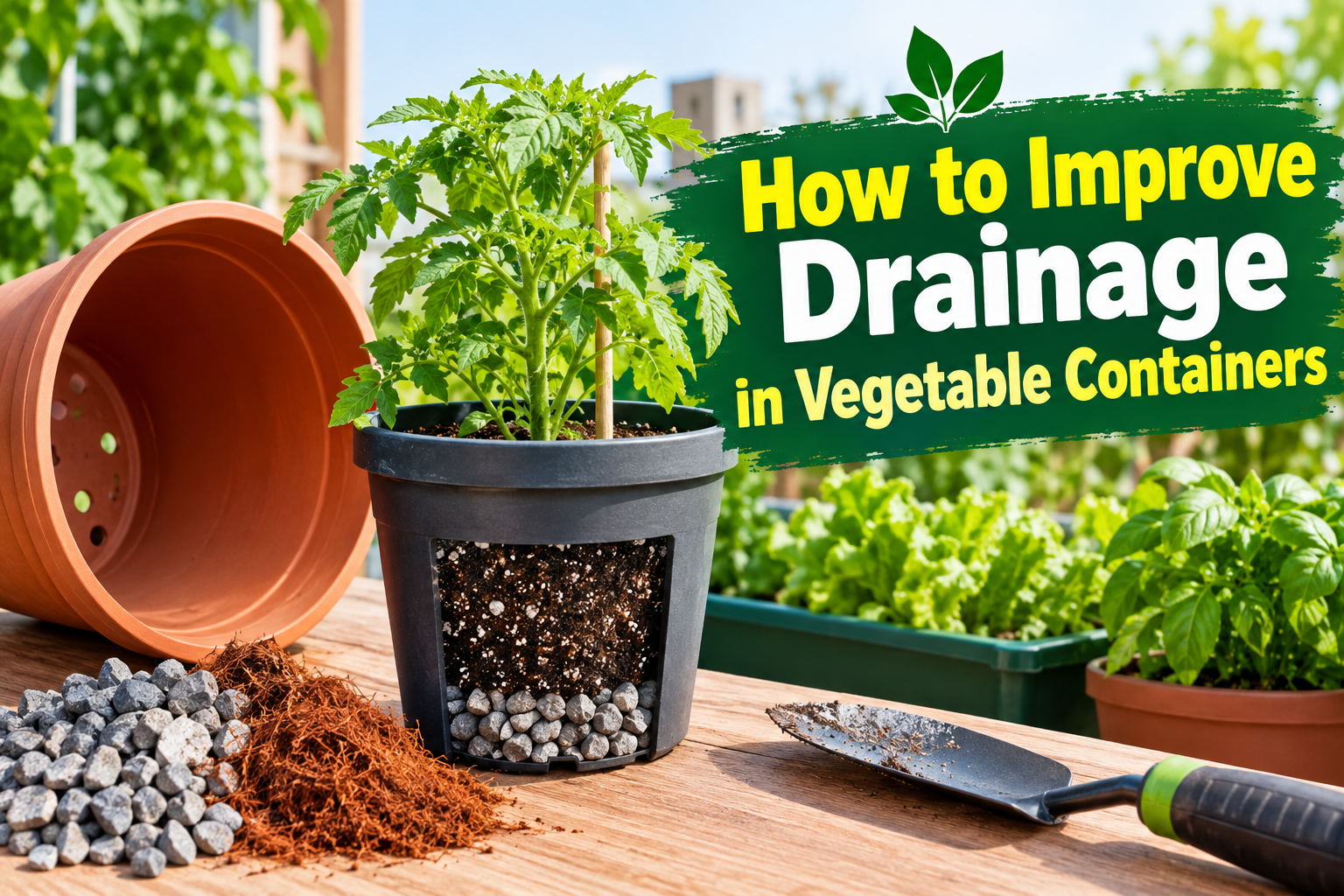
I recommend using pots with drainage holes because excess water can damage roots. Plastic, terracotta, fabric grow bags, and recycled food safe containers can all be useful when they are clean, sturdy, and suitable for growing food. Make sure the container is safe for gardening and has adequate drainage.
2. Select Vegetables That Suit Your Space
Not every vegetable is equally easy to grow in containers. Beginners should start with plants that produce useful results without requiring too much room.


4
Some beginner friendly choices include:
- Lettuce and spinach for quick harvests of leafy greens.
- Radishes for small pots and relatively short growing periods.
- Green onions and herbs for windowsills or balconies.
- Cherry tomatoes for sunny locations with enough space.
- Chili peppers for warm conditions and containers with good drainage.
- Bush beans for a compact vegetable garden.
Before buying seeds, check the growing season in your area. Some vegetables prefer cooler weather, while others need warm soil and plenty of sunshine. Choosing plants according to your local climate can make the first gardening experience much easier.
3. Use Good Quality Potting Soil
One of the biggest mistakes I see in container vegetable gardening is using ordinary garden soil without improving it. Soil taken directly from the ground can become heavy and compacted inside a pot. It may also drain poorly, making it difficult for roots to receive enough air.
A quality potting mix should be loose, well drained, and capable of holding moisture without becoming waterlogged. A suitable mix may include potting soil, compost, and a material such as perlite or coarse coconut coir to improve texture.
If you use homemade compost, make sure it is fully decomposed before mixing it with the soil. Fresh organic material can cause problems for young plants. Avoid using untreated manure or soil from contaminated areas.
Good soil gives roots room to grow and makes watering easier. It also supports the beneficial microorganisms that help plants develop. You do not need the most expensive soil available, but investing in a reliable growing mix is usually worth it.
4. Provide Enough Sunlight
Most fruiting vegetables need several hours of direct sunlight every day. Tomatoes, peppers, and beans generally grow best in a sunny location. Leafy vegetables such as lettuce and spinach can tolerate less sunlight, although their growth still depends on the variety and weather.
Observe your balcony, rooftop, or patio before placing your containers. A spot that looks sunny in the morning may become shaded in the afternoon. If your plants receive too little light, they may become weak, produce fewer leaves, or fail to develop properly.
In hot climates, strong afternoon heat can also stress plants. If leaves begin wilting during the hottest part of the day, consider providing some afternoon shade, especially for lettuce and other cool season vegetables. The goal is to give each plant the amount of light and protection it needs.
5. Learn How to Water Container Vegetables
Watering is one of the most important container vegetable gardening tips for beginners. Pots dry out faster than garden beds, particularly during hot or windy weather. However, watering too frequently can create equally serious problems.
I prefer checking the soil before watering rather than following a fixed schedule. Push your finger into the top few centimeters of soil. If it feels dry and the plant needs water, water slowly until some moisture drains from the bottom of the pot. This helps moisten the root zone.
Watering early in the morning is often practical because plants can take up moisture during the day. If you are growing vegetables in a hot climate, check the containers more often during summer. Small pots may need water more frequently than larger ones.
Avoid keeping containers sitting in standing water. Empty excess water from saucers when necessary, and make sure the drainage holes are not blocked.
6. Feed Plants With the Right Nutrients
Vegetables grown in containers depend on a limited amount of soil. Over time, watering and plant growth can reduce the nutrients available to the roots. Regular feeding can help plants maintain healthy growth, especially during the growing season.
A balanced vegetable fertilizer can be useful when applied according to its label. Compost can also support soil health, but it does not always provide every nutrient a plant needs. Fruiting vegetables may benefit from a suitable fertilizer during flowering and fruit development.
Do not assume that more fertilizer means more vegetables. Excess fertilizer can damage roots, encourage weak growth, or cause nutrient problems. Start with the recommended amount and observe how the plant responds.
7. Give Plants Enough Space
Crowding is another common mistake among new gardeners. It is tempting to put several seedlings in one pot because they look small, but mature plants need room for their roots, leaves, and airflow.
Check the spacing instructions on the seed packet. A large tomato plant may need its own container, while several lettuce plants can share a wider planter. Root vegetables also need enough depth and space to develop their edible roots.
Good spacing makes it easier to water, inspect leaves, remove weeds, and harvest vegetables. It also helps reduce the risk of fungal diseases caused by poor airflow.
8. Start With Seeds or Healthy Seedlings
Both seeds and seedlings can work well for container vegetable gardening. Seeds are inexpensive and give you the opportunity to watch a plant grow from the beginning. Seedlings are useful when you want to start harvesting sooner or when a vegetable takes a long time to mature.
For beginners, I suggest trying a combination of both. Sow radishes or lettuce from seed, and purchase a healthy tomato or pepper seedling. This gives you experience with germination as well as transplanting.
When buying seedlings, choose plants with healthy green leaves, sturdy stems, and no obvious signs of pests. Avoid plants that look severely wilted or have damaged roots.
9. Protect Your Plants From Pests
Even a small container garden can attract insects. Aphids, caterpillars, whiteflies, and other pests may feed on vegetable leaves. Regular inspection is the best way to notice problems before they become serious.
Check the underside of leaves, new shoots, and stems. If you see a few insects, remove them by hand or wash them away with a gentle stream of water when appropriate. For larger infestations, identify the pest before choosing a treatment. Use products that are labeled for edible crops and follow the instructions carefully.
Avoid spraying unknown chemicals on vegetables that you plan to eat. Keeping plants healthy, removing damaged leaves, and providing adequate airflow can also help reduce some common garden problems.
10. Harvest Vegetables at the Right Time
Harvesting is the most rewarding part of growing vegetables in containers. Many leafy vegetables can be harvested gradually, allowing the plant to continue producing new leaves. Radishes, green onions, and herbs can also provide useful harvests in a small space.
Tomatoes and peppers should be harvested according to their variety and preferred maturity. Beans are usually best picked while the pods are young and tender. Regular harvesting can encourage continued production in many plants.
I recommend harvesting in the morning when temperatures are cooler. Use clean scissors or a knife for plants that need cutting, and avoid pulling on stems or roots unnecessarily.
11. Keep a Simple Gardening Routine
A simple routine can make container vegetable gardening much easier. You do not need to spend hours every day caring for plants. A few minutes of observation can help you notice changes before they become major problems.
Beginner gardening checklist
Check soil moistureInspect leaves for pestsRemove dead or damaged leavesRotate pots if light is unevenHarvest vegetables when ready
0 of 5 tasks completedReset
You can also keep notes about planting dates, watering, and harvests. This helps you understand which vegetables grow well in your space and what changes may improve your next crop.
Conclusion
Container vegetable gardening is a practical way to grow fresh food when you have limited outdoor space. With the right containers, suitable soil, enough sunlight, and regular watering, beginners can grow a variety of vegetables successfully.
My advice is to start with two or three easy vegetables rather than filling every available pot at once. Learn how each plant responds to sunlight, water, and feeding. As your confidence grows, you can experiment with new varieties and larger containers.
The best container vegetable garden is not necessarily the biggest one. It is the garden you can care for consistently and enjoy throughout the growing season.