 dolphinshave2stomachs
Related Articles
Whiteflies are one of those tiny garden pests that can cause surprisingly big problems. They may look harmless because they are so small, but a large whitefly infestation can weaken vegetable plants, damage leaves, and reduce plant growth. I have found that the best way to protect vegetable plants from whiteflies is to notice the problem early and use simple control methods before the infestation becomes difficult to manage.
Whiteflies are especially common around tomatoes, peppers, cucumbers, beans, eggplants, and other vegetable plants. They usually stay on the underside of leaves, which makes them easy to miss during a quick garden inspection. Once their numbers increase, you may notice sticky leaves, yellowing foliage, slow growth, or clouds of tiny white insects flying around the plant when you touch it.
In this article, I will explain how I would protect vegetable plants from whiteflies using practical garden care methods. These methods focus on prevention, early detection, natural control, and proper plant care.
What Are Whiteflies?
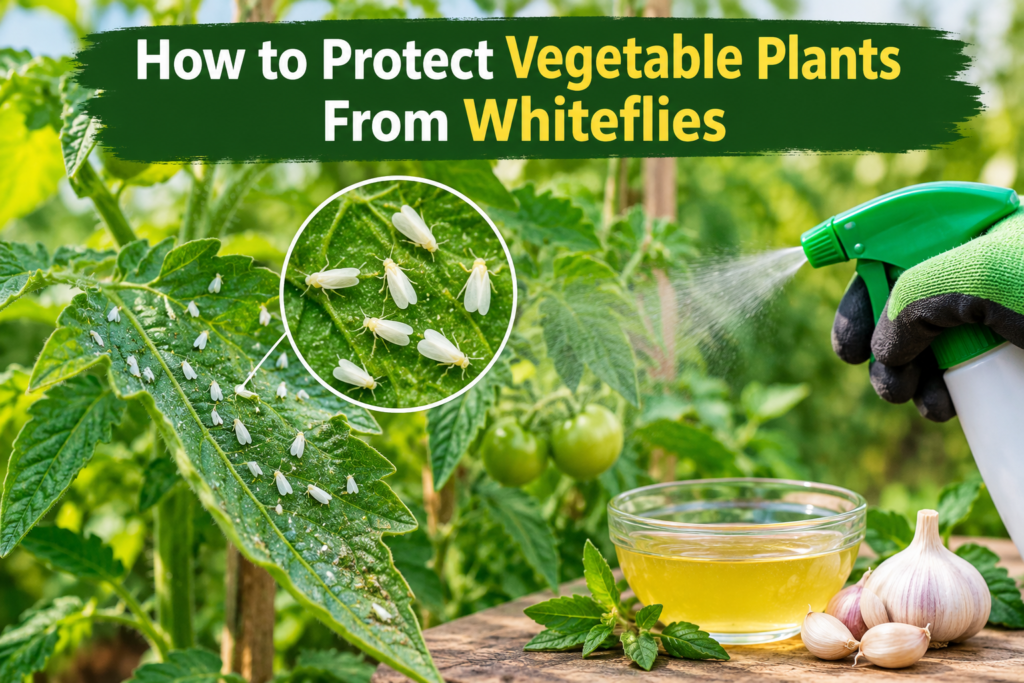
Whiteflies are tiny flying insects that usually gather underneath vegetable leaves. They have soft bodies and white wings, and they often move quickly when a plant is disturbed.
The main problem with whiteflies is that both adults and immature stages feed on plant sap. When there are only a few insects, a healthy plant may tolerate them. However, a large infestation can put considerable stress on the plant.
Whiteflies can also leave behind a sticky substance called honeydew. This substance can make leaves feel sticky and may encourage the growth of sooty mold. The mold can cover the surface of leaves and interfere with the plant’s ability to receive light.
Because of this, I do not wait until my vegetable plants look badly damaged. I prefer to inspect them regularly and deal with whiteflies as soon as I notice them.
Check the Underside of Leaves Regularly
One of the easiest ways to protect vegetable plants from whiteflies is to inspect the underside of their leaves.
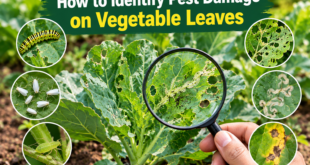
Whiteflies often hide and feed there, so looking only at the top of the leaves is not enough. When I inspect my vegetable garden, I gently turn over several leaves and look for tiny white insects, pale immature insects, eggs, or sticky residue.
Young plants deserve extra attention because they can be affected more quickly when they are already small or stressed.
I recommend checking vegetable plants at least a few times each week during warm weather. Early detection can make whitefly control much easier.
Use a Strong Stream of Water
If I find whiteflies on my plants, one of the first things I try is a gentle but firm stream of water.
Spraying water onto the underside of leaves can knock adult whiteflies and immature insects away from the plant. It does not always eliminate an infestation completely, but repeated spraying can reduce their numbers.
A garden hose with a suitable spray setting can work well. I make sure the water pressure is not strong enough to tear leaves or damage delicate stems.
This method is especially useful when the infestation is still small. It is also a simple option for gardeners who want to reduce pests without immediately using an insecticide.
Remove Heavily Infested Leaves
Sometimes a few leaves become much more heavily infested than the rest of the plant. In that situation, removing those leaves can help reduce the pest population.
I carefully cut off badly affected leaves and place them away from healthy plants. I do not leave heavily infested plant material lying beside the vegetable garden because pests can simply move back onto nearby plants.
However, I avoid removing too many healthy leaves at once. Vegetable plants need their foliage for photosynthesis, so pruning should be limited to leaves that are severely damaged, dead, or heavily infested.
Try Insecticidal Soap
Insecticidal soap can be useful for controlling whiteflies on vegetable plants. It works mainly by contacting soft bodied insects, so thorough coverage is important.
When using insecticidal soap, I always read the product label carefully and follow its instructions. I pay particular attention to whether the product is suitable for the specific vegetable I am growing and whether there are instructions about harvesting.
The underside of leaves is especially important because that is where whiteflies commonly gather.
I also avoid spraying during extremely hot conditions or when plants are under severe water stress because some plants can be sensitive to sprays.
Consider Neem Oil Carefully
Neem oil is another option many gardeners use when dealing with whiteflies. It may help reduce insect populations when used correctly.
I think of neem oil as part of an overall whitefly management plan rather than a magic solution. Good coverage and repeated monitoring are important.
Before using any neem based product on edible vegetables, I check the product label for application instructions and crop safety. I also test sprays carefully because different plants can react differently.
I avoid spraying when beneficial insects are actively visiting flowers and follow the label directions regarding timing and application.
Use Yellow Sticky Traps
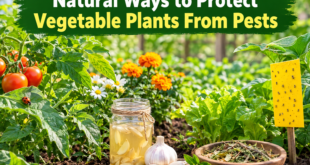
Yellow sticky traps can be helpful for monitoring adult whiteflies. Whiteflies are attracted to the yellow color, so the traps can help show whether their population is increasing.
I prefer to use sticky traps as a monitoring and reduction tool rather than relying on them as the only control method.
Place the traps near affected plants while making sure they do not interfere with normal gardening activities. Checking them regularly can give you an idea of how serious the infestation is.
For me, one of the biggest benefits of sticky traps is that they make it easier to notice a whitefly problem before the plants show major damage.
Encourage Beneficial Insects
Not every insect in the vegetable garden is a pest. Some insects can help naturally reduce whitefly populations.
Lady beetles, lacewings, and other beneficial insects may feed on small insects and can contribute to natural pest control.
Because of this, I try to avoid unnecessary broad spectrum insecticide use. Killing beneficial insects can sometimes make pest problems harder to manage later.
A healthy garden with flowering plants and suitable habitat can attract useful insects. Keeping the garden diverse can therefore be part of a long term approach to protecting vegetable plants from whiteflies.
Keep Vegetable Plants Healthy
Healthy plants are generally better able to tolerate pest pressure than plants that are already weak or stressed.
I make sure my vegetable plants receive appropriate sunlight, water, nutrients, and airflow. I also avoid creating unnecessarily crowded growing conditions.
Overwatering and poor drainage can create other plant problems, while insufficient water can stress plants. The goal is to maintain consistent and suitable growing conditions for the vegetables.
I also remove dead leaves and unnecessary plant debris around the garden. A clean growing area makes it easier to inspect plants and notice pest problems early.
Control Garden Weeds
Weeds around vegetable plants can sometimes provide additional places for insects to survive and move between plants.
Keeping the garden reasonably weed free makes regular inspections easier. When I remove weeds, I also get a better view of my vegetable plants and can quickly notice changes in leaf color, growth, or insect activity.
I do not try to make the garden completely empty of every plant because some flowering plants can provide food and shelter for beneficial insects. Instead, I focus on controlling weeds that compete with vegetables or create obvious pest problems.
Avoid Overfertilizing
Excessive nitrogen can encourage soft, rapid plant growth. This type of growth may sometimes be more attractive to sap feeding pests such as whiteflies.
For this reason, I avoid applying more fertilizer than my vegetable plants actually need. I prefer to follow the recommendations for the particular crop and use healthy soil management practices.
Good soil does not mean adding as much fertilizer as possible. Balanced plant nutrition is more important than forcing rapid growth.
Inspect New Plants Before Bringing Them Home
One of the easiest ways to introduce whiteflies into a vegetable garden is by bringing home an infested plant.
Whenever I purchase vegetable seedlings or ornamental plants, I inspect the leaves carefully. I pay special attention to the underside of leaves because that is where whiteflies and their immature stages may be hiding.
If a new plant looks suspicious, I keep it separate from my other plants until I am confident it is healthy.
This simple habit can prevent a small problem from spreading throughout the entire garden.
Do Not Ignore Early Signs
The first signs of whiteflies may be easy to overlook. You might see a few tiny insects flying when you touch the plant. Leaves may also become sticky or start developing pale patches.
If I notice these signs, I take action immediately. Waiting until the leaves are severely yellow or covered with sooty mold can make the problem much harder to control.
Regular inspection is therefore one of the most important parts of whitefly prevention.
Final Thoughts
Learning how to protect vegetable plants from whiteflies does not always require complicated methods. In my experience, regular inspection and early action make a big difference.
I would start by checking the underside of leaves several times a week. If I find whiteflies, I would remove badly affected leaves, wash the insects away with water, and consider suitable products such as insecticidal soap when necessary. Yellow sticky traps can help monitor adult whiteflies, while beneficial insects can provide natural support.
Most importantly, I would focus on prevention. Healthy plants, good garden hygiene, proper watering, balanced nutrition, weed control, and careful inspection of new plants can all reduce the chance of a serious infestation.
Whiteflies can certainly be frustrating, but they do not have to destroy your vegetable garden. With regular attention and consistent care, you can keep their numbers under control and give your vegetable plants a much better chance to grow strong and produce a healthy harvest.