 dolphinshave2stomachs
Related Articles
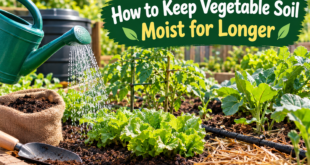
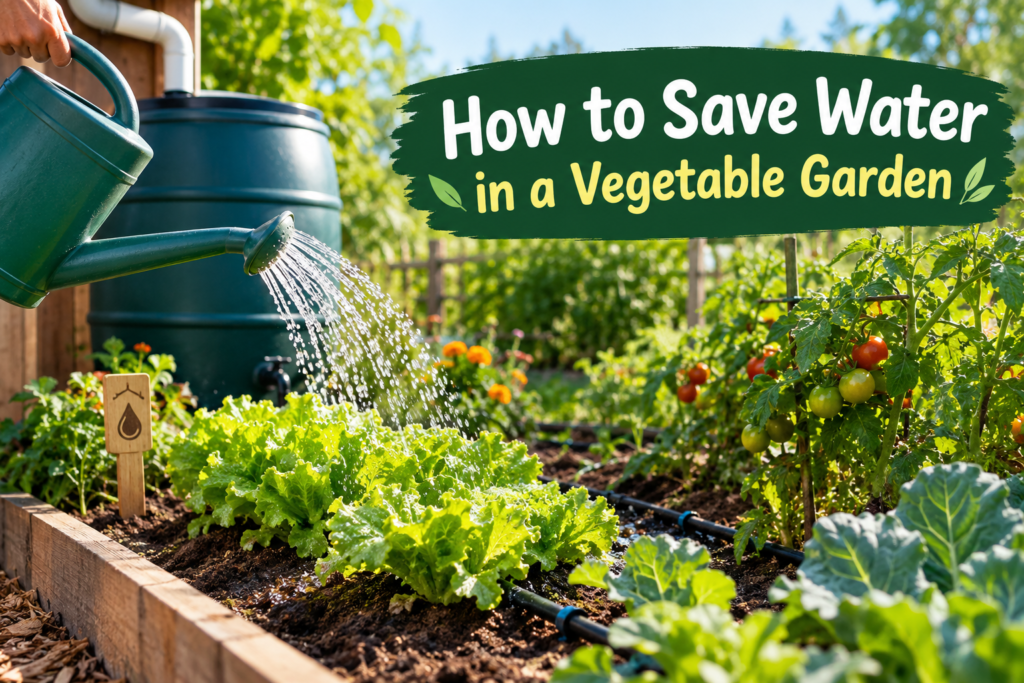
Saving water in a vegetable garden is one of the simplest ways to make gardening more efficient and environmentally friendly. I have found that growing vegetables does not always require large amounts of water when the garden is planned properly. The important thing is to give plants the water they actually need and reduce unnecessary water loss.
Whether you have a small backyard garden, raised beds, or a larger vegetable garden, a few simple changes can help you save water while keeping your plants healthy. In this article, I will share practical methods that I believe are useful for saving water in a vegetable garden without making gardening difficult.
Understand How Much Water Your Vegetables Need
The first step in saving water is understanding that every vegetable does not need the same amount of water. Young seedlings usually need more regular attention because their roots are still developing. Established plants often have deeper roots and can access moisture from lower parts of the soil.
Vegetables such as lettuce, spinach, cucumbers, and radishes generally need consistent moisture. Tomatoes, peppers, beans, and many established root vegetables can often tolerate short periods between watering when the soil is properly prepared.
Instead of watering the entire garden on the same schedule, I recommend checking the soil first. Push your finger about an inch or two into the soil. If it feels dry, the plants may need water. If the soil is still moist, you may be able to wait.
This simple habit can prevent overwatering and is one of the easiest ways to save water in a vegetable garden.
Water Early in the Morning
The time of day you water your garden can make a noticeable difference. I prefer watering early in the morning because temperatures are usually lower and the sun is not yet strong.
Watering during the hottest part of the day can lead to faster evaporation. Some of the water may disappear before it reaches the plant roots. Morning watering gives moisture more time to move into the soil.
Early morning watering can also help plants prepare for the heat of the day. If morning watering is not possible, evening can also work, but I try to avoid keeping vegetable leaves wet for long periods overnight because consistently wet foliage can encourage some plant diseases.
Use Drip Irrigation
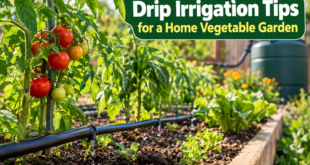
Drip irrigation is one of the most effective ways to save water in a vegetable garden. Instead of spraying water across the whole garden, a drip system slowly delivers water close to the roots.
I like this approach because it puts water where plants need it most. There is less water wasted on paths, empty soil, and surrounding areas.
A basic drip irrigation system can be installed around vegetable rows or individual plants. For a small garden, even a simple hose with small emitters can make watering easier and more controlled.
If you do not want to install a complete system, you can also use a soaker hose. It releases water slowly along its length and can be placed near the base of vegetables.
Add Mulch Around Vegetables
Mulching is another simple method I strongly recommend for saving water. A layer of organic mulch can help slow evaporation and keep the soil cooler.
Materials such as straw, dry leaves, compost, and untreated grass clippings can be used as mulch when appropriate. Mulch also helps reduce weed growth.
Weeds compete with vegetables for water. When fewer weeds are growing around your plants, more moisture remains available for the vegetables you are trying to grow.
I usually prefer adding a reasonable layer of mulch rather than leaving the soil completely exposed. However, it is important not to pile mulch directly against plant stems because excessive moisture around stems can create problems.
Improve Your Garden Soil
Healthy soil can hold water more effectively, which can reduce how frequently you need to water. Adding organic matter such as compost can improve soil structure and help sandy soils retain moisture.
If your garden soil becomes hard and compacted, water may have difficulty moving into the root zone. Instead, water can run away from the planting area.
Adding compost and other suitable organic materials can help create soil that is easier for roots to grow through. Before making major changes, it is useful to understand your soil type and the needs of the vegetables you are growing.
Good soil preparation is therefore not only useful for plant growth. It can also become an important part of a water saving strategy.
Collect Rainwater
Rainwater collection is another practical way to reduce dependence on treated household water. A rain barrel or suitable collection container can store water from rainfall for later use in the garden.
Before collecting rainwater, make sure your setup is safe, clean, stable, and appropriate for your local conditions. Keep containers covered to reduce the chance of mosquitoes and other problems.
I think rainwater collection works particularly well when it is combined with other water saving methods. You can collect water during rainy periods and use it when the weather becomes dry.
Always follow local rules and use collected water appropriately, especially if you are growing vegetables for consumption.
Water the Root Zone
When watering vegetables, focus on the soil around the roots rather than spraying the entire plant.
The roots are the part of the plant that needs access to water. Pouring water directly around the root zone is generally more efficient than wetting leaves, pathways, and large areas of unused soil.
For individual plants such as tomatoes and peppers, I like to water slowly around the base. This gives the soil time to absorb moisture rather than allowing water to run away.
For rows of vegetables, drip lines or soaker hoses can make this process much easier.
Avoid Frequent Light Watering
One mistake gardeners can make is giving plants very small amounts of water every day without checking the soil. Depending on the vegetable and growing conditions, frequent shallow watering may encourage roots to remain near the surface.
A better approach for many established vegetables is to provide sufficient moisture to the root zone and then allow the soil surface to dry somewhat before watering again, while still considering the specific needs of the crop.
New seedlings are an exception because their small root systems can dry out quickly.
The goal is not simply to water less. The goal is to water efficiently.
Grow Vegetables According to Your Climate
Choosing vegetables that suit your local climate can also help you save water. Some crops naturally perform better in hot or dry conditions, while others require more consistent moisture.
Before planting, consider your local temperatures, rainfall patterns, soil type, and growing season. Selecting appropriate varieties can make garden care easier.
For example, vegetables that struggle in extreme heat may require additional watering and protection. Growing suitable varieties at the right time of year can reduce unnecessary water use.
I believe planning is one of the most overlooked parts of water efficient gardening.
Use Shade When Appropriate
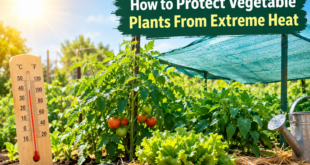
During very hot weather, excessive sunlight can cause soil moisture to disappear quickly. Providing appropriate shade can help protect certain vegetables from extreme heat.
Shade cloth can be useful for sensitive crops when temperatures become unusually high. Taller plants can also provide natural shade for some shorter crops when the garden is designed carefully.
However, vegetables still need adequate sunlight for healthy growth, so I would not shade plants without considering their light requirements.
Keep Weeds Under Control
Weeds can consume water that could otherwise be available to your vegetables. Keeping the garden reasonably free of weeds is therefore an important part of water conservation.
Regularly inspect the planting beds and remove weeds while they are still small. Mulching can also reduce the amount of weed growth.
I find that dealing with weeds early is much easier than allowing them to become established. A few minutes of regular maintenance can save time and resources later.
Check for Leaks
If you use a hose, irrigation system, or outdoor faucet, check regularly for leaks. A small leak may not look serious, but water can be wasted continuously if the problem remains unnoticed.
Inspect connections, hoses, emitters, and fittings. Replace damaged parts when necessary.
If you notice water collecting in an area where it should not, investigate the source. Fixing leaks is a simple step that can improve the efficiency of your entire garden watering system.
Reuse Suitable Household Water Carefully
Some households may have water that can be reused for gardening, but safety should come first. Water containing soaps, cleaning chemicals, oils, or other harmful substances should not be poured onto vegetable beds.
If considering greywater reuse, research your local regulations and use an appropriate system designed for this purpose. Water used for vegetables should be handled carefully because the crops may eventually be eaten.
Never assume that every type of household wastewater is safe for a food garden.
Choose Efficient Containers for Small Gardens
If you grow vegetables in containers, water can disappear from the soil faster than it does in some garden beds. Choosing appropriately sized containers and using quality potting soil can help maintain moisture.
Containers should have drainage holes, but excessive drainage can also mean that water passes through quickly. Adding organic material suitable for the container mix can help retain moisture while still allowing proper drainage.
Mulching the surface of container soil can also help reduce evaporation.
Monitor Your Plants
Finally, pay attention to your vegetables. Plants can provide useful signs when something is wrong.
Wilting, dry soil, curling leaves, or slow growth may indicate that a plant is experiencing water stress, although these symptoms can have other causes too. On the other hand, constantly wet soil may indicate that you are watering too much.
I recommend checking the soil and plants regularly instead of following a rigid watering schedule. Weather conditions can change quickly, so your watering routine should change with them.
Final Thoughts
Learning how to save water in a vegetable garden does not require complicated equipment or expensive changes. Simple practices such as watering at the right time, using mulch, improving soil, installing drip irrigation, controlling weeds, collecting rainwater, and checking soil moisture can make a meaningful difference.
For me, efficient watering is about giving vegetables enough moisture without wasting what the garden does not need. When water is used carefully, the garden can become easier to maintain while also using resources more responsibly.
The best approach is to start with a few practical changes and observe how your plants respond. Over time, you can develop a watering routine that suits your vegetables, soil, climate, and garden size. With consistent care and good planning, it is possible to grow a productive vegetable garden while using water much more efficiently.