 dolphinshave2stomachs
Related Articles
Keeping vegetable soil moist for longer is something I pay close attention to when growing vegetables. When soil dries out too quickly, plants can become stressed, growth can slow down, and I may have to water the garden more often than necessary. The good thing is that there are several simple ways to help soil hold moisture for a longer time.
In my experience, the key is not simply adding more water. It is about improving the soil, protecting it from heat and evaporation, and watering in a way that allows moisture to reach the roots. With a few practical changes, you can create a vegetable garden that stays moist and requires less frequent watering.
Understand Your Soil Type
Before trying different methods to keep vegetable soil moist, I think it is important to understand what type of soil you have. Soil behaves differently depending on its texture and structure.
Sandy soil usually drains quickly, which means water can disappear from the root zone relatively fast. Clay soil can hold a lot of moisture, but it may become compacted and drain poorly. Loamy soil is often considered a good balance because it can hold moisture while still allowing air and water to move through the soil.
If your soil dries very quickly, improving its structure can make a noticeable difference. I would not simply keep adding more water. Instead, I would work on creating soil that can hold moisture while still providing healthy conditions for vegetable roots.
Add Compost to the Soil
One of my favorite ways to improve vegetable garden soil is adding compost. Good quality compost adds organic matter and can improve the structure of many garden soils.
Organic matter can help soil retain moisture while supporting healthy root growth. It can also improve the condition of soil that is either too sandy or too compacted.
Before planting, I like to mix suitable compost into the soil rather than relying only on fertilizers. Compost is not a replacement for all nutrients, but it can be a useful part of overall soil management.
Over time, regularly adding organic matter can help create soil that holds moisture more effectively.
Use Mulch to Reduce Evaporation
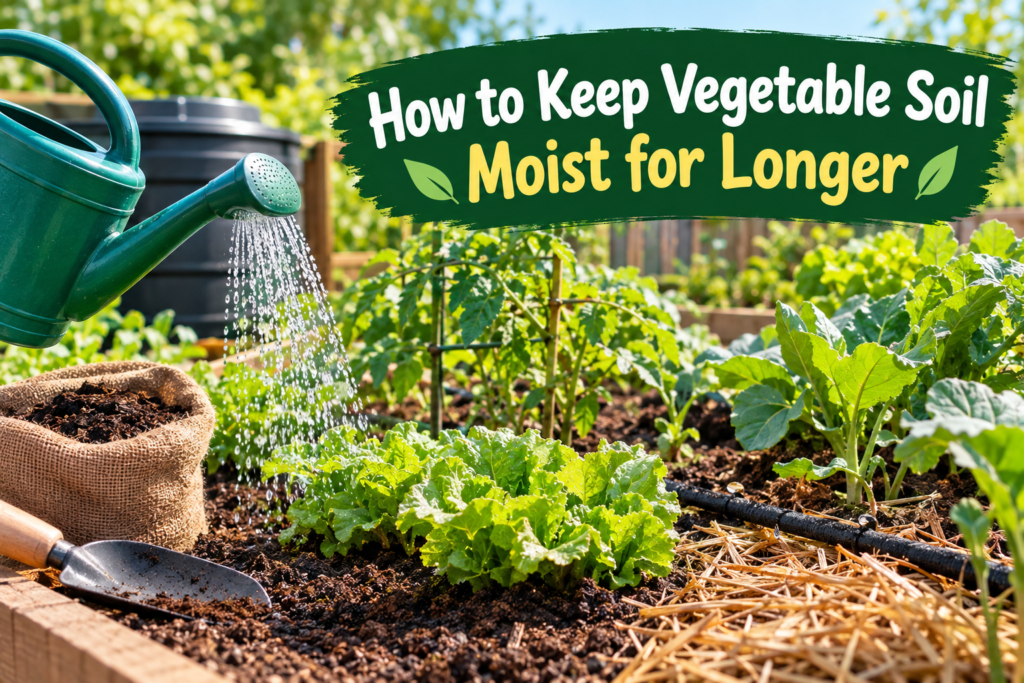
If you want to keep vegetable soil moist for longer, mulch is one of the easiest methods to try.
A layer of mulch protects the surface of the soil from direct sunlight and wind. This can reduce the rate at which moisture evaporates from the soil.
You can use materials such as straw, shredded leaves, compost, or other suitable organic mulch. The right material depends on what is easily available in your area and what works well with your garden.
I especially like using mulch during hot weather because exposed soil can become dry very quickly. After watering, mulch helps protect the moisture underneath.
Do not place thick mulch directly against plant stems. Leaving a little space around the base of plants can help reduce problems caused by excessive moisture around stems.
Water Deeply Instead of Shallowly
The way you water your vegetable garden can have a major effect on how long the soil stays moist.
Instead of giving established plants a tiny amount of water every day, I prefer watering deeply when the soil needs it. The goal is to allow moisture to reach the deeper part of the root zone.
Deep watering encourages roots to explore a larger area of soil. When moisture is available deeper in the soil, plants may be better able to access it between watering sessions.
However, this does not mean every vegetable should receive the same watering routine. Young seedlings, shallow rooted crops, and vegetables growing in containers may need more frequent attention.
The important thing is to check the soil and adjust your watering according to the plants and weather.
Water in the Morning
Timing also matters when you want to keep vegetable soil moist for longer.
I usually prefer watering early in the morning. Temperatures are generally cooler at this time, so there is less immediate evaporation than during the hottest part of the day.
Morning watering also gives moisture time to move into the soil before temperatures rise.
If morning watering is not possible, evening can sometimes be an alternative. However, I avoid unnecessarily wetting vegetable leaves late in the day because prolonged moisture on foliage can create favorable conditions for certain plant diseases.
Try Drip Irrigation
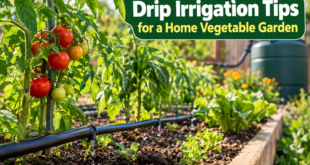
Drip irrigation can make watering more controlled and efficient. Instead of spraying water over a large area, drip systems slowly deliver water close to the plants.
I find this particularly useful for tomatoes, peppers, cucumbers, and other vegetables that remain in the garden for an extended period.
Because the water is delivered near the root zone, less water is lost from areas where plants do not need it. A soaker hose can provide a similar benefit for some garden layouts.
You do not necessarily need an expensive system. Even a basic setup can help you deliver water more directly to your vegetables.
Avoid Bare Soil
Bare soil can lose moisture quickly, particularly during hot and windy weather. When there is nothing protecting the soil surface, sunlight can heat the ground and increase evaporation.
Covering the soil with organic mulch is a simple solution. Living plants can also provide some shade to the soil, especially when vegetables are planted at appropriate spacing.
I try to avoid leaving large areas of unused soil completely exposed. A well planned garden can make better use of available space while helping protect the soil.
Keep Weeds Under Control
Weeds are another reason vegetable soil may dry out quickly. Weeds compete with your vegetables for water, nutrients, and sunlight.
Removing weeds while they are still small is much easier than allowing them to become established. Regular inspection of garden beds can prevent weeds from taking over.
Mulching can also reduce weed growth. This creates two benefits at the same time because it can reduce competition for water while helping the soil retain moisture.
Improve Soil With Organic Matter
Compost is not the only source of organic matter. Depending on your garden and local availability, you may use well decomposed organic materials to improve soil structure.
Organic matter can help create spaces in the soil where water and air can move. This is important because vegetable roots need both moisture and oxygen.
I recommend adding organic matter gradually and paying attention to how your soil responds. The goal is healthy, workable soil rather than soil that stays saturated all the time.
Use Raised Beds Carefully
Raised beds can be excellent for vegetable gardening, but they can sometimes dry out faster than ground level beds because they have more exposed soil.
If you grow vegetables in raised beds, pay attention to moisture levels during hot weather. Adding compost and mulch can help reduce moisture loss.
I also prefer grouping vegetables with similar water requirements together. This makes it easier to manage watering without giving too much or too little water to individual plants.
Choose the Right Plants
Some vegetables naturally need more consistent moisture than others. When planning a water efficient vegetable garden, consider the water requirements of each crop.
Leafy vegetables such as lettuce and spinach can need regular moisture, especially during hot conditions. Other crops may tolerate slightly drier conditions once their root systems are established.
Choosing varieties that suit your local growing conditions can make garden management easier. I think it is better to work with your climate instead of constantly trying to create conditions that are completely different from the natural environment.
Protect Soil From Strong Sunlight
Hot sunlight can dry the surface of garden soil quickly. Strategic planting can help provide some natural shade.
Tall vegetables can sometimes be positioned so they provide shade to shorter crops during parts of the day. You can also use appropriate shade cloth when temperatures become extreme, especially for vegetables that struggle in intense heat.
The important thing is to avoid blocking too much sunlight. Most vegetables need adequate light for healthy growth, so shade should be used carefully.
Check Soil Moisture Before Watering
One of the easiest habits I recommend is checking the soil before turning on the hose.
You can simply insert your finger into the soil near the plant. If the upper layer feels dry, check a little deeper to understand whether moisture is still available around the roots.
You can also use a basic soil moisture meter if you prefer a more measurable approach.
I have found that checking the soil prevents unnecessary watering. Sometimes the surface looks dry while the soil underneath is still moist.
Be Careful With Container Vegetables
Container vegetables often dry out faster than vegetables growing directly in the ground. The limited amount of soil in a pot can lose moisture quickly, particularly in warm weather.
Choose containers that are appropriately sized for the vegetables you are growing. Use a quality potting mix that provides good moisture retention while still allowing proper drainage.
Adding a suitable mulch layer to the top of container soil can also reduce evaporation.
At the same time, make sure containers have drainage holes. Keeping soil permanently saturated can damage roots and create other growing problems.
Final Thoughts
Learning how to keep vegetable soil moist for longer is mostly about protecting moisture rather than constantly adding more water. In my view, the most useful methods are improving soil with organic matter, adding mulch, watering deeply when appropriate, controlling weeds, and checking soil moisture before watering.
Drip irrigation and careful plant selection can also make a big difference, especially in warm or dry conditions.
I believe a healthy vegetable garden starts with healthy soil. When the soil has good structure and is protected from excessive evaporation, plants can make better use of the water you provide.
You do not need to change everything at once. Start by adding mulch, improving your soil, and changing the way you water. Then observe your plants and soil over time. With consistent care, you can keep vegetable soil moist for longer, reduce unnecessary watering, and create better growing conditions for your vegetables.